Dorelink
Dorelink
Dorelink
Engineered to integrate seamlessly with OEM/ODM verification arrays
In the modern digital landscape, data throughput, reliability, and minimal signal latency have evolved from simple performance metrics to core business necessities. Industrial systems, hyper-scale data centers, and multi-tenant structures rely heavily on high-speed copper and optical cables to support operations. The integrity of the physical layer (Layer 1 of the OSI model) remains the foundation of these networks.
A faulty termination, out-of-spec crosstalk (NEXT/FEXT), return loss anomalies, or sub-standard shielding can degrade bandwidth and trigger intermittent connectivity issues that are notoriously difficult to diagnose. As high-speed protocols like Multi-Gigabit Ethernet (2.5G/5G/10G Base-T) and advanced fiber transceivers become standard, specialized testing methodologies are required to ensure physical link reliability. This creates a rising global demand for custom-tailored, multi-functional network cable testers built to match specific operational profiles, standards, and environments.
Key forces shaping the research, manufacturing, and procurement of network diagnosis systems
The roll-out of IEEE 802.3bt (PoE++) delivers up to 90W of power over standard twisted-pair cables. Testers must now measure real-time voltage, current draw, and polarity under actual load conditions, ensuring that heat dissipation and DC resistance imbalances do not cause system failures.
Operating frequencies for copper channels have spiked to 2000 MHz (Cat8). Signal integrity testing requires Time-Domain Reflectometry (TDR) to pinpoint impedance disruptions, ensuring the structure complies with strict NEXT (Near-End Crosstalk) and Return Loss criteria.
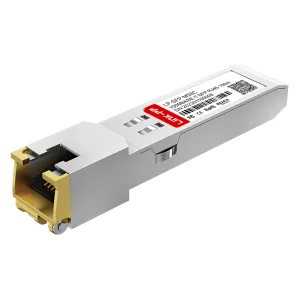
Modern topologies are rarely single-medium. Industrial test equipment must incorporate both optical interface checks (such as light path attenuation, SFP/QSFP DD transceiver status, laser power) and standard copper wiremapping in one portable device.
Established in 2016, Dorelink Optical Communications Co., Ltd. specializes in the research, development, manufacturing, and global supply of high-performance network connectivity and transceiver systems. From optical transceiver modules to advanced physical layer connection interfaces, we supply custom solutions to data center operators, telecom carriers, and IT infrastructure distributors worldwide.
Our state-of-the-art 18,500m² manufacturing facility features high-precision assembly lines, automated optical testing arrays, and strict quality control protocols. Backed by 12 years of industry experience, our dedicated engineers support extensive OEM and ODM customization services—ensuring every product conforms to strict IEEE standards.
2016
18,500 ㎡
120+ Experts
7+ Years
Annual Export Value
R&D Team Members
QC Control Specialists
Global Channel Partners
Tailoring structural design, firmware, and functional testing to your system requirements
We program and optimize firmware to support multiple languages, customizable test-report templates, and dynamic testing protocols. This ensures compatibility with your proprietary network management systems.
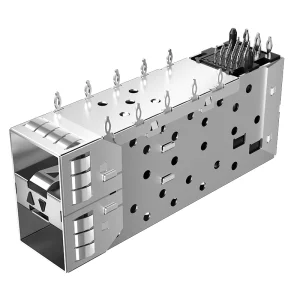
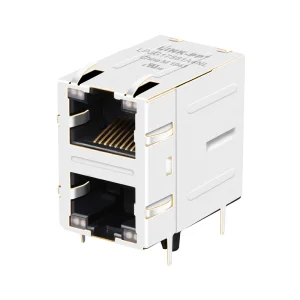
From drop-resistant rugged housings to customized connector layouts (such as RJ45, RJ11, SFP, SFP+, USB, and BNC), our team designs and engineers hardware packages tailored to demanding field conditions.
We provide comprehensive brand design, including private labeling, specialized packaging, calibration certifications, and multi-regional user manuals. We offer complete supply chain support, shipping directly to your global warehouses.
Integrating professional testing, calibration, and advanced assembly technologies
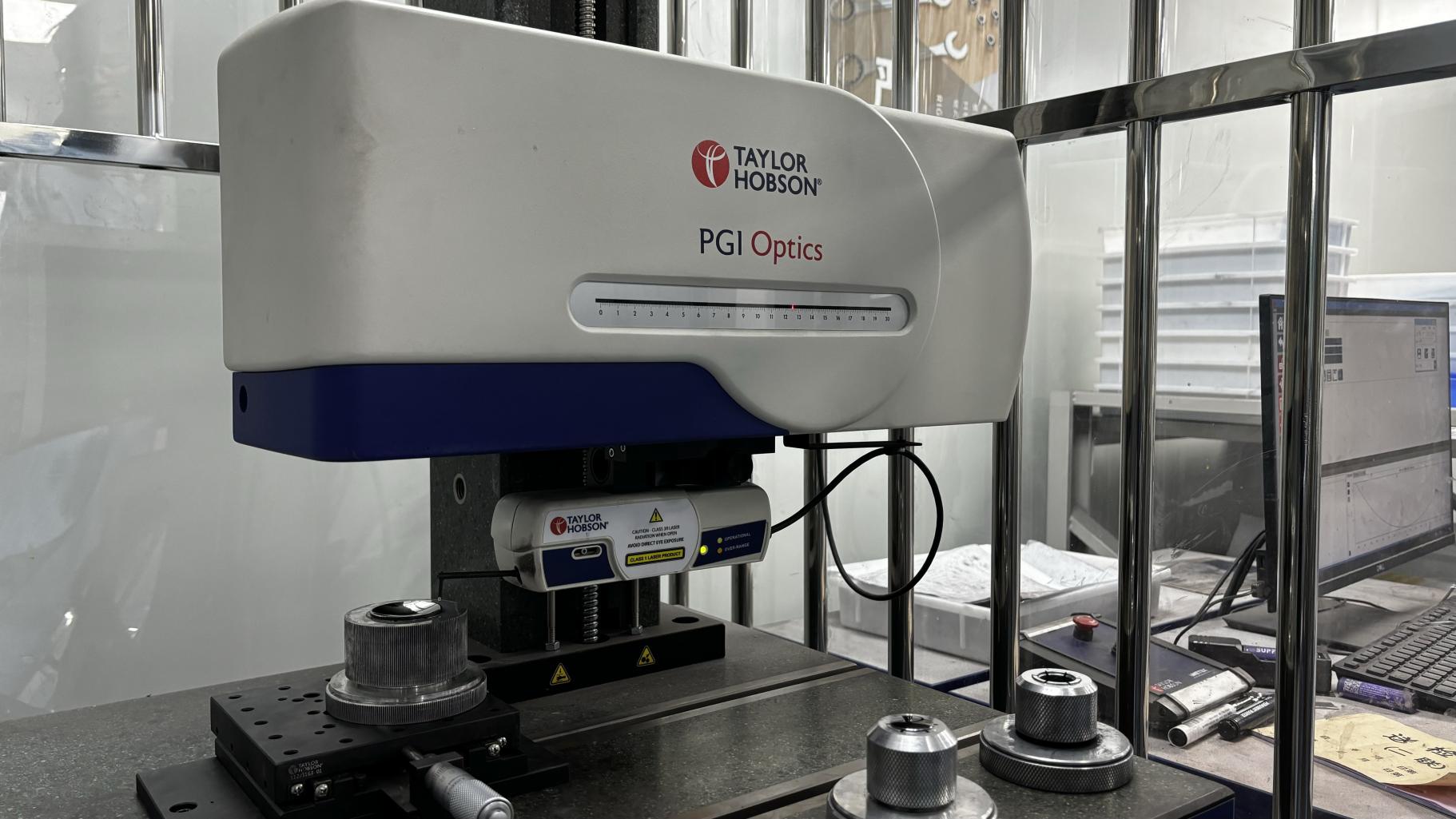
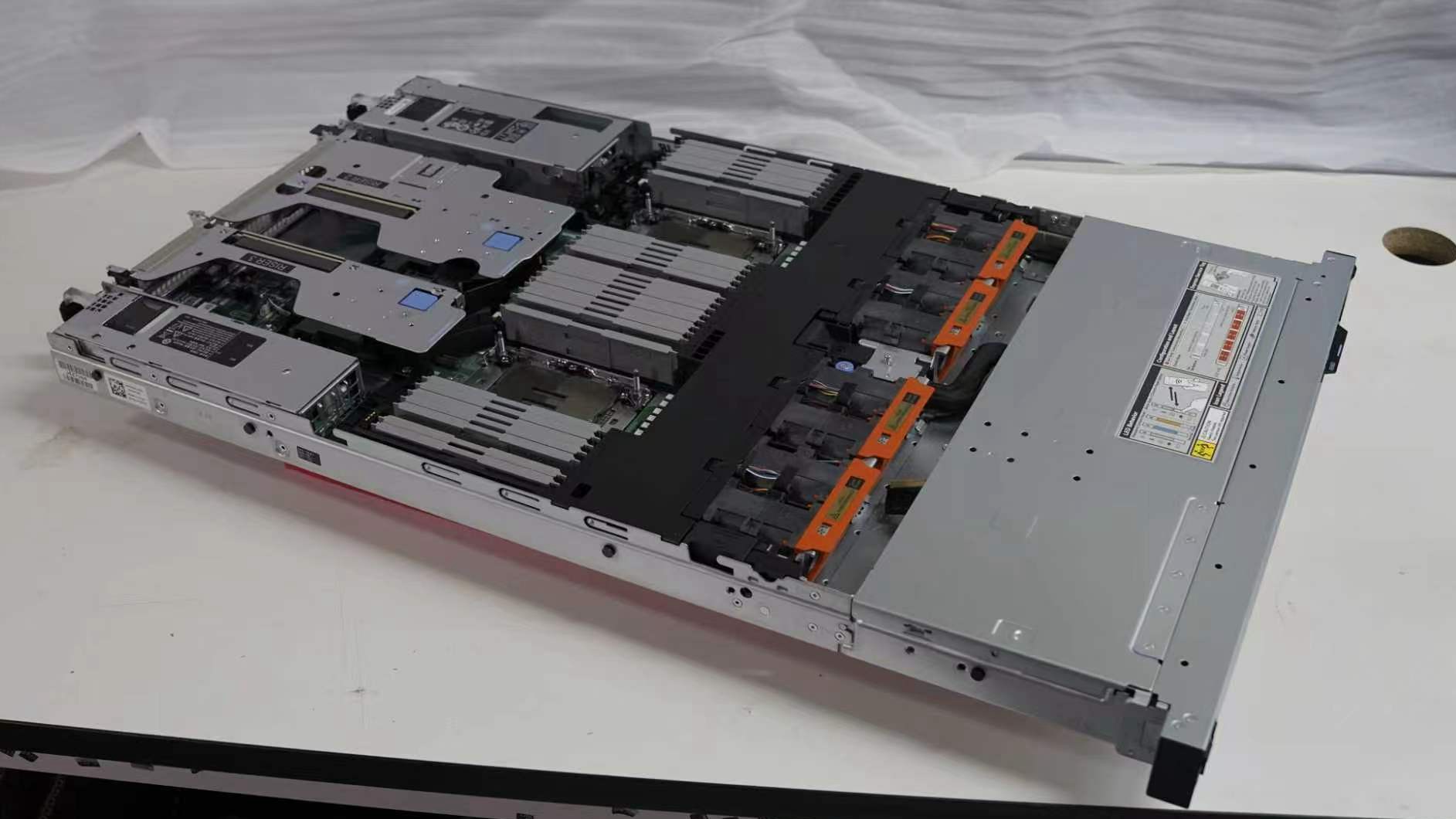
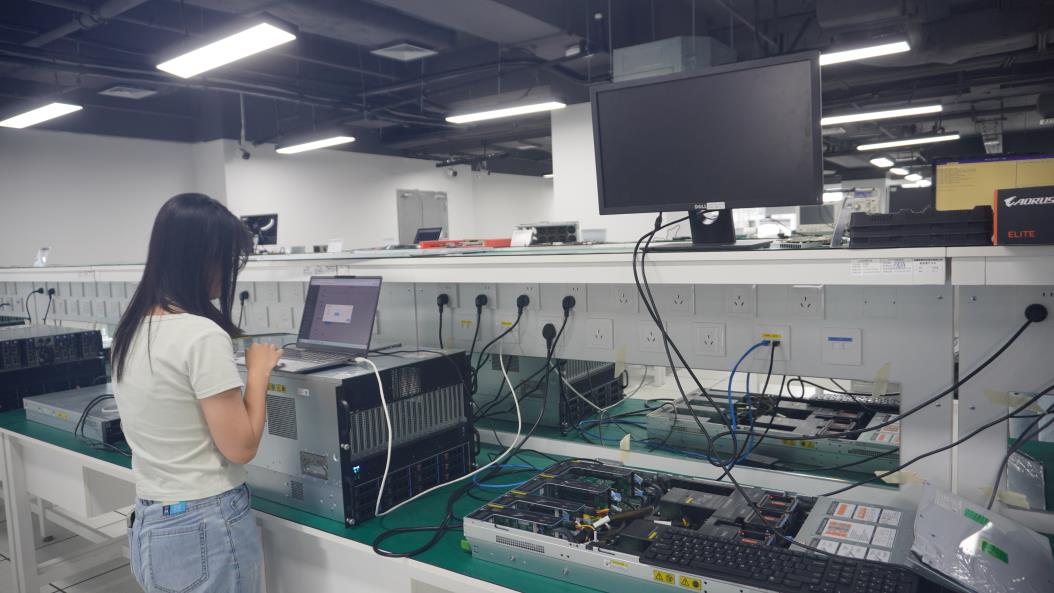
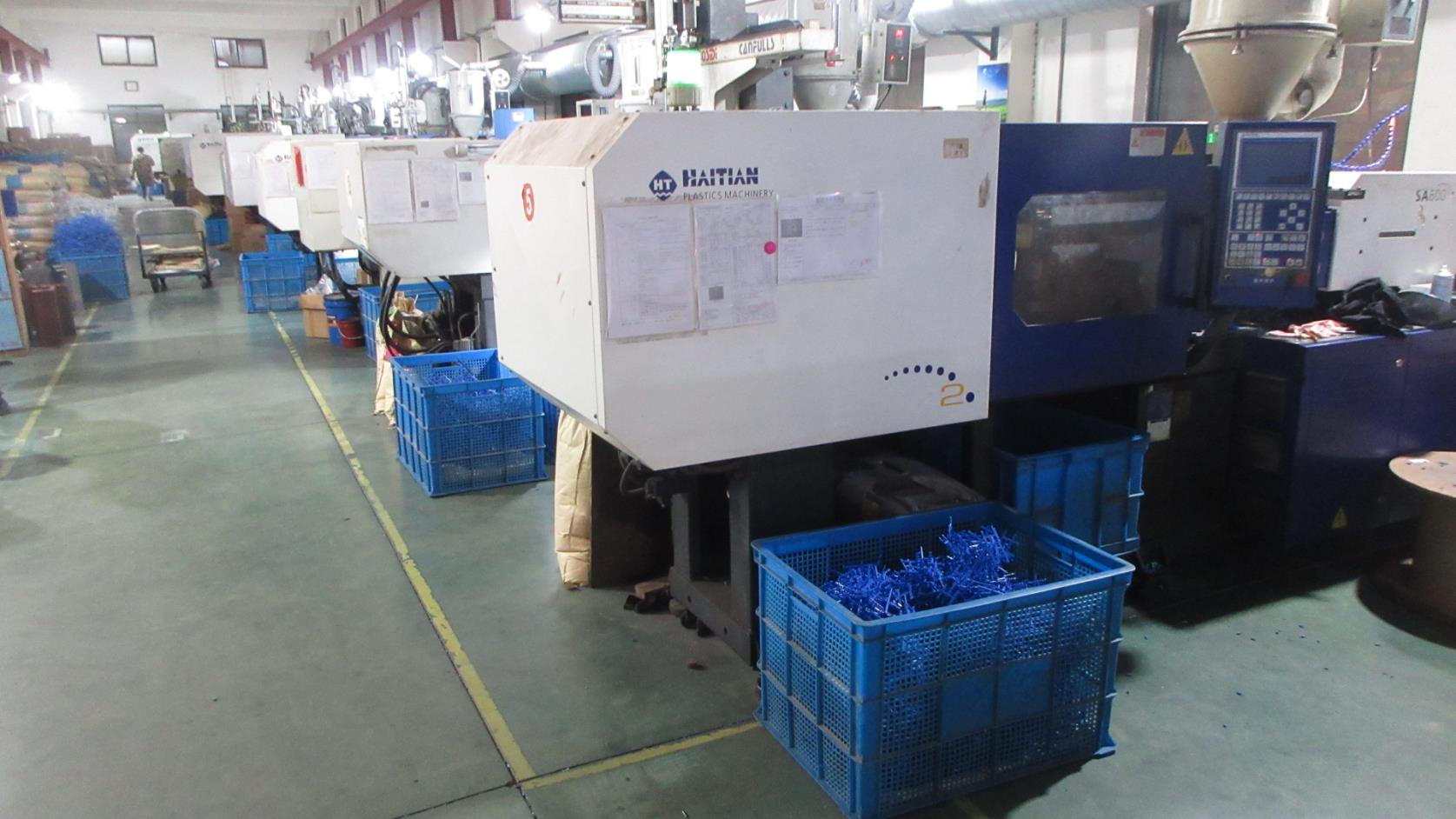
Quality and precision are central to our manufacturing process. Dorelink's production facility relies on automated surface mount technology (SMT) and high-speed optical testing machinery to ensure each component meets strict standards.

Innovating diagnostic tools for next-generation network infrastructures
Integrating support for 2.5G/5G/10G speed certification. Improving TDR length accuracy and multi-mode fiber connection detection.
Developing integrated Wi-Fi/Bluetooth capabilities to upload test results to cloud servers, enabling real-time remote project sign-offs.
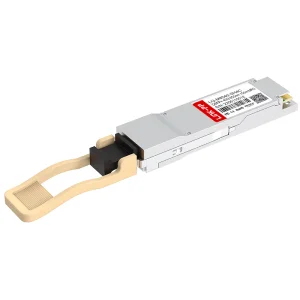
Developing optical modules for QSFP-DD interfaces, targeting high-density transceivers and high-speed data center testing requirements.
Applying machine learning algorithms to compare test logs, helping technicians identify hidden connection anomalies before faults occur.
Tailoring testing technologies to diverse vertical requirements
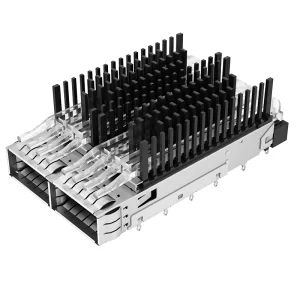
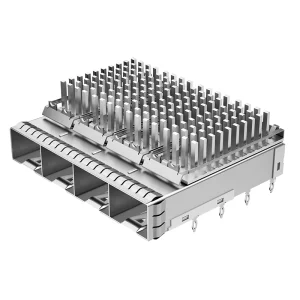
Ensuring ultra-low latency requires clean, high-speed physical layers. Our testing technologies help technicians verify fiber and copper backbones, SFP+ cages, and patch cables, keeping bit error rates (BER) to a minimum.
Industrial Ethernet cables run through high-noise, high-vibration environments. Our testing units verify shielding continuity and grounding, helping protect signals from EMI and static discharge in factory settings.
For installations supporting VoIP phones, IP cameras, and wireless access points, our testers verify wiremap configurations and check PoE power supply limits to ensure consistent device performance.
Technical and logistical insights from our network engineering team
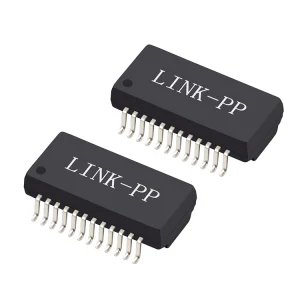
Engineered components optimized for high-performance networks