Dorelink
Dorelink
Dorelink
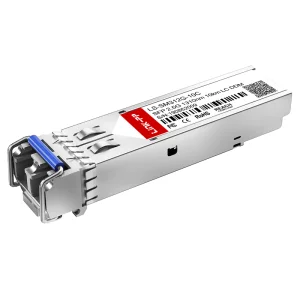
Explore our primary selection of enterprise network components, compatibility-tested optical modules, and heavy-duty RJ45 shielding jacks designed for reliable industrial transmission.
The global market for structured copper and fiber hybrid systems is experiencing massive growth driven by rapid industrial automation, cloud migrations, and local edge data center scaling. As network architectures shift to support high bandwidth demands, the physical layer remains the most critical point for ensuring signal integrity. RJ45 coupling devices, modular jacks, and shielding interface assemblies are key players in preventing signal attenuation and electromagnetic interference (EMI) across long-run physical connections.
From commercial real estate cabling layouts to harsh industrial operations, the request for reliable Ethernet interfaces has pushed manufacturers in China to step up production technology. Modern RJ45 coupling units must support high-speed data transmission standards like Cat6, Cat6a, and Cat8, which scale throughput limits up to 40 Gbps. As the primary industrial link for field patch panels, IP-cameras, PLCs, and network distribution hubs, these devices are designed to meet strict standards for insertion loss, cross-talk protection, and physical durability.
Ensuring strict alignment with ISO/IEC 11801 and ANSI/TIA-568 standards, today's RJ45 couplers maintain electrical continuity through advanced gold-plated contact configurations.
Utilizing fully enclosed nickel-plated and brass shields to isolate high-frequency signals, protecting data lines from cross-talk in dense industrial cable pathways.
Designed to seamlessly bridge connections up to 10GBASE-T, working alongside fiber transceiver modules in hybrid copper-to-fiber industrial switches.
The network hardware landscape is evolving rapidly. Copper-based cabling continues to dominate local distributions and power delivery via Ethernet, while fiber-optic interfaces serve high-speed transport networks. This convergence requires high-performance connectors, magnetics-integrated RJ45 sockets, and SFP+ transceiver cages to match technical development roadmaps.
Broad deployment of 2.5GBASE-T and 5GBASE-T networks. Demands for PoE+ and PoE++ (up to 90W) require RJ45 connectors with specialized contact geometry to prevent arc damage when disconnecting under load.
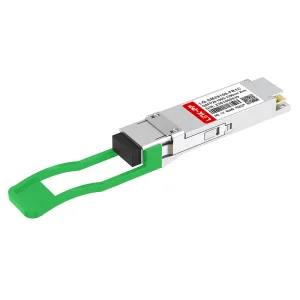
Co-existence of SFP/QSFP cages and high-density vertical RJ45 jacks. Multi-port modules are optimized to handle board-level high-frequency signals with minimal cross-talk, keeping footprints compact on switch backplanes.
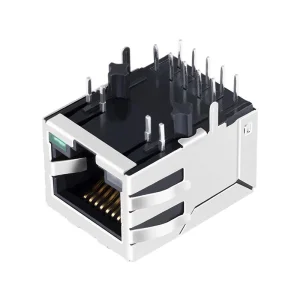
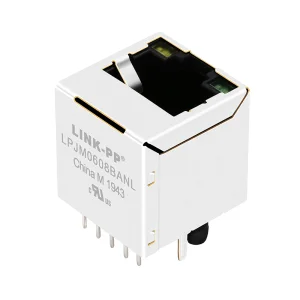
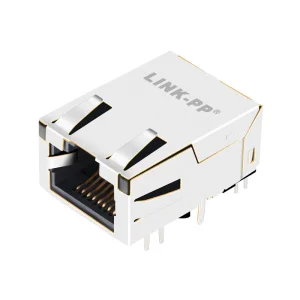
Transition toward integrated magnetics (MagJack) to save board space and provide auto-isolation, ESD protection, and signal filtering directly at the physical RJ45 port.
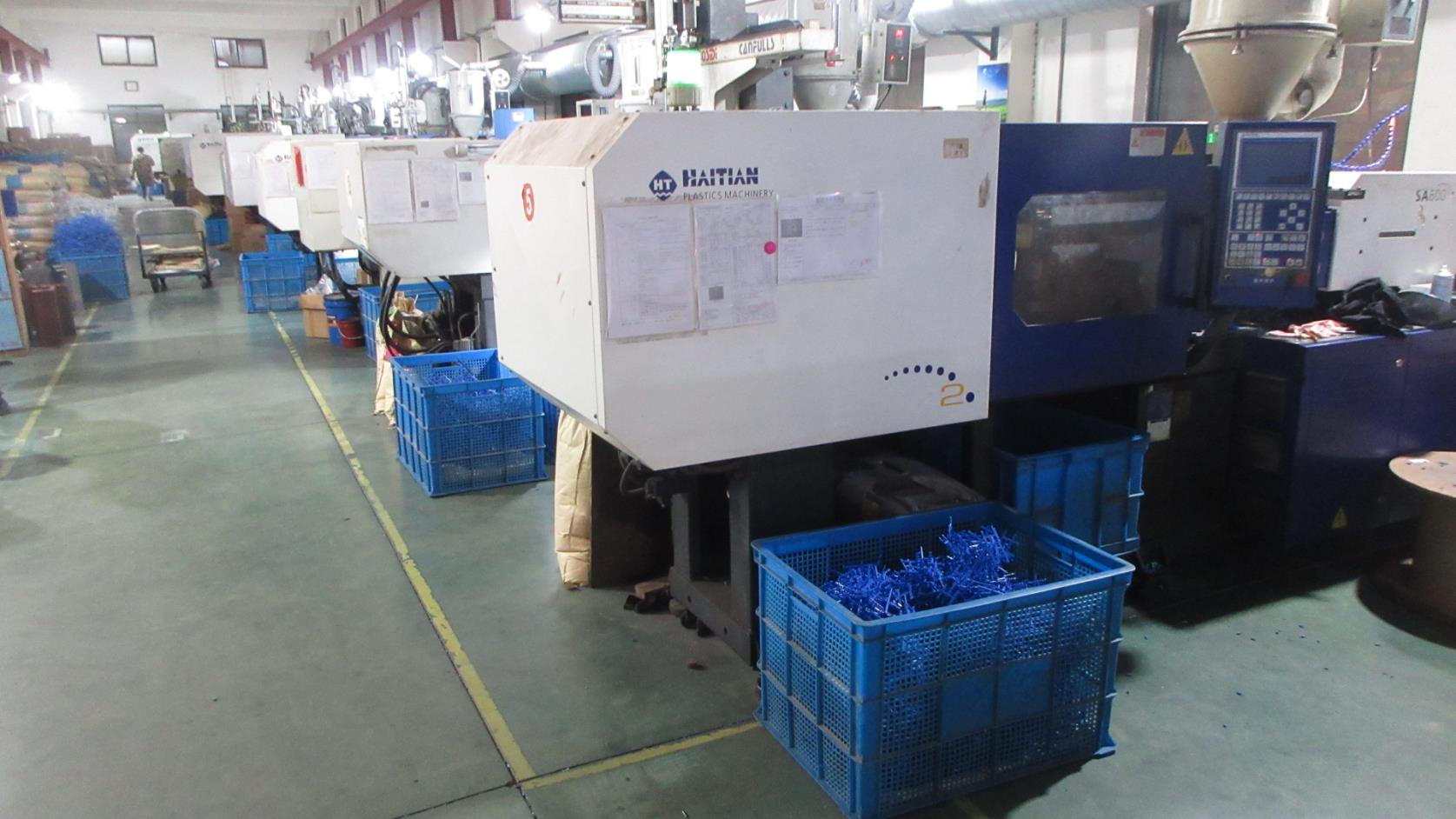
Transition of factories to fully automated insert-molding, press-fit pins (like SFP+ cages), and real-time automated optical inspection (AOI) to eliminate human error in high-volume export orders.
RJ45 coupling devices, modular sockets, and SFP transceiver interfaces are deployed in diverse settings worldwide. Each application places unique demands on raw materials, shielding, and tolerance limits. Below, we examine the precise operating standards and product profiles needed for key industries:
| Application Scenario | Typical Interface Requirement | Critical Engineering Specification | Key Environmental Stress Factor |
|---|---|---|---|
| Hyperscale Data Center | QSFP28, SFP+ Cages, Cat6A RJ45 | 100G/10G Optical Transmission < 0.5dB Insertion Loss | High Ambient Temperature & Concentrated Cable Load |
| Industrial Process Control | Shielded RJ45 Jack with LED & Magnetics | High Common-Mode Noise Rejection (CMR), PoE++ (90W) | Vibration, Electromagnetic Noise, Dust, & Humidity |
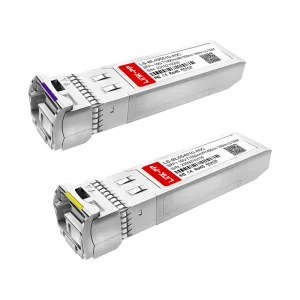
| Telecommunication Edge Hubs | BiDi SFP Transceivers, Stacked SFP+ Cages | Long-distance optical signal transmission up to 100km | Outdoor temperature fluctuations, moisture infiltration |
| Smart Office Infrastructure | Unshielded/Shielded Modular Jacks, RJ11/RJ45 | Compliant with T568A/B wiring diagrams, low-profile designs | High cycle insertion wear and mechanical plug strain |
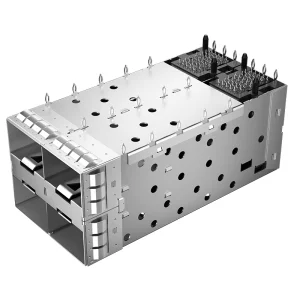
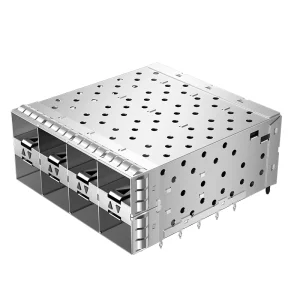
Modern switches rely on SFP+ cages placed alongside multi-port RJ45 female connectors. Manufacturers must produce SFP+ cages using high-grade copper alloys with press-fit pins to ensure structural stability and reliable contact. Dorelink's 80P and 160P press-fit cages allow easy vertical assembly, minimizing RF leakage and ensuring strong high-frequency transmission.
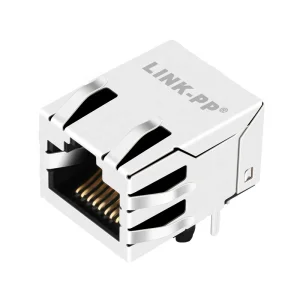
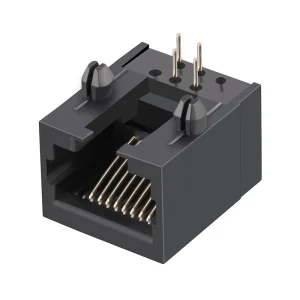
In smart manufacturing, electromagnetic interference from motor drives can disrupt network signals. Fully shielded RJ45 coupling modules and magnetic jacks prevent this interference by filtering high-frequency noise. Additionally, we use gold-plating thicknesses up to 50u" on contact pins to prevent contact wear and oxidation in humid environments.
Established in 2016, Dorelink Optical Communications Co., Ltd. has developed into a leading designer, manufacturer, and exporter of optical transceivers and high-performance copper interconnect devices. With 12 years of industry experience, Dorelink delivers high-quality optical components and durable RJ45 connection hardware to critical networks worldwide.
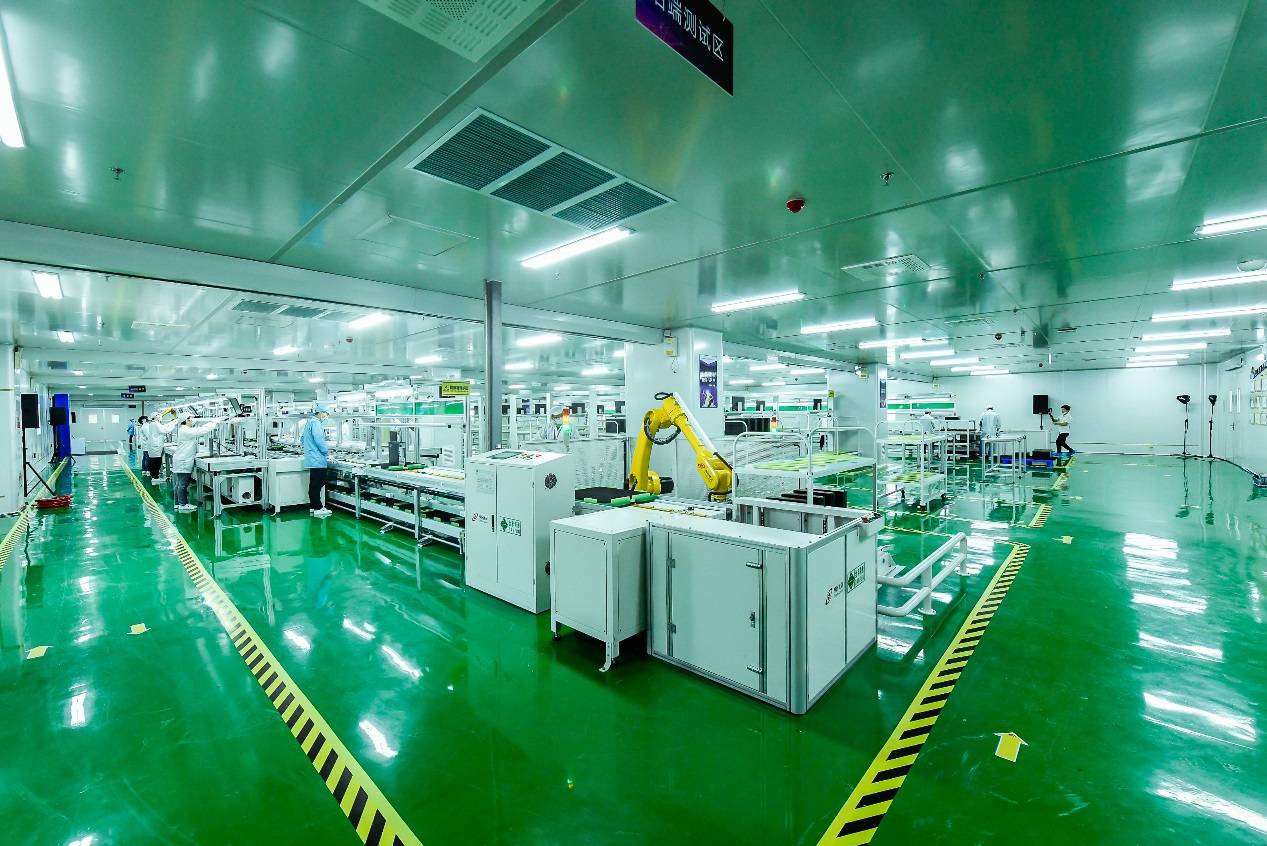
Dorelink maintains a strict quality control workflow that spans the entire production cycle. This process begins with strict incoming material inspections (IQC) of raw plastics and metals, continues with in-process inspections (IPQC), and finishes with comprehensive automated testing (FQC) for every product.
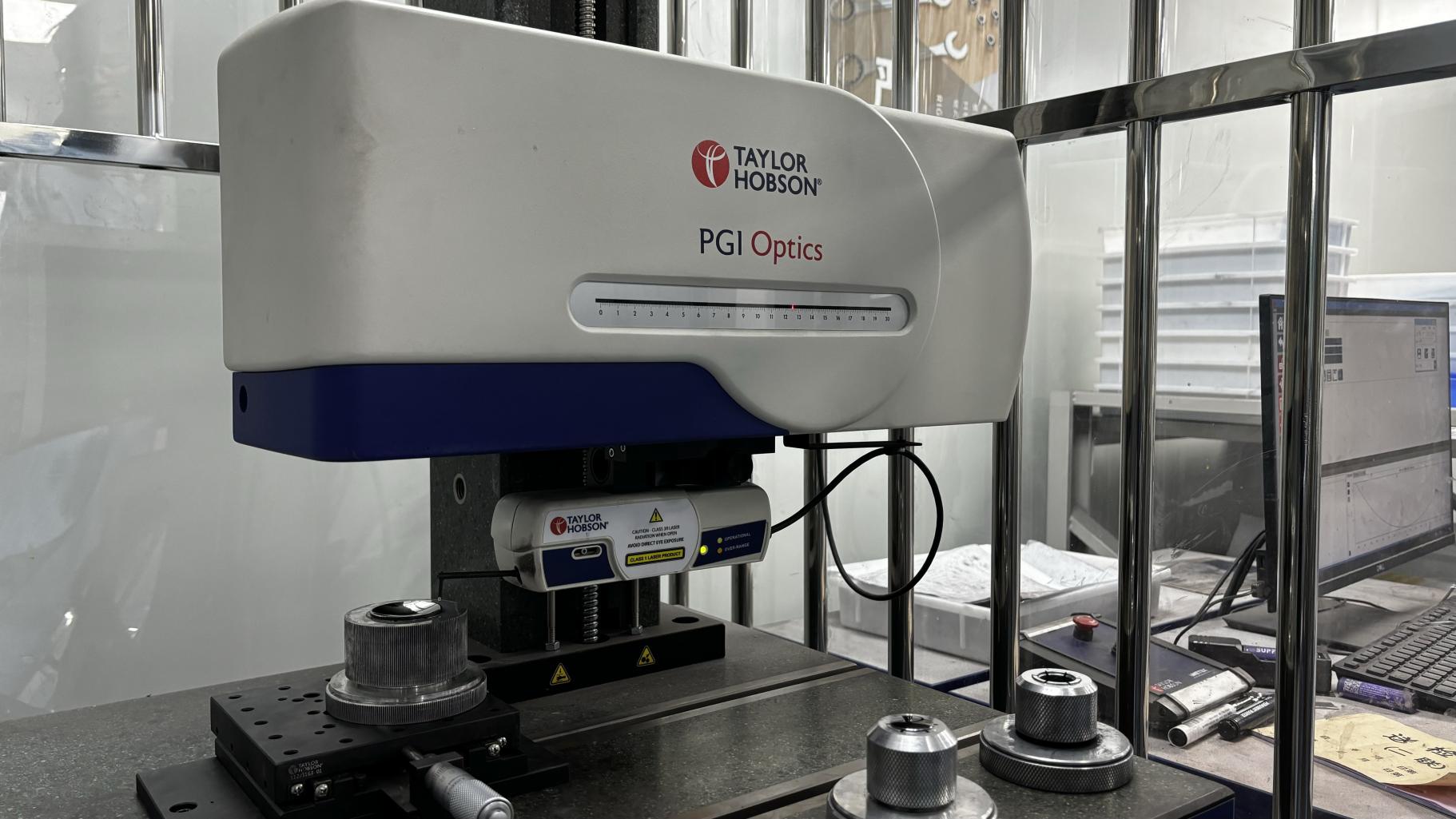
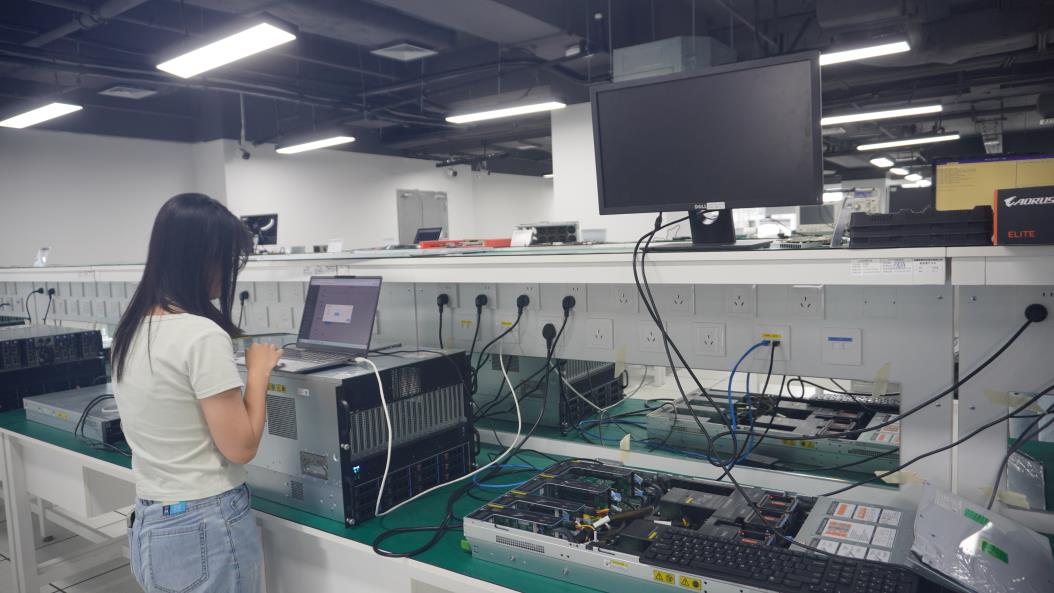
Our testing labs conduct optical power checks, temperature cycling from -40°C to +85°C, signal integrity analysis, and salt spray testing. This ensures all network products resist corrosion and mechanical stress, maintaining stable performance in the field.
Backed by our 120-person engineering team, Dorelink offers custom design services for SFP modules, custom SFP+ cages, and modified RJ45 magnetic sockets. We work closely with systems integrators and equipment manufacturers to provide tailormade solutions, including specialized PCB layouts, shielding styles, firmware configurations, and custom packaging designs.
Review detailed answers to technical and mechanical questions about network connectivity, shielding, and optical integration.
The primary differences lie in bandwidth and crosstalk protection. Cat6 systems operate up to 250 MHz and support 10 Gbps speeds only up to 55 meters. Cat6A (augmented) systems extend operating frequencies to 500 MHz and support 10 Gbps transmission speeds over the full 100-meter channel. To meet Cat6A standards, RJ45 couplers must use enhanced shielding to control Alien Crosstalk (ANEXT), which is the noise created by neighboring high-speed cables.
Gold plating on contact pins prevents contact wear and oxidation. Standard entry-level connectors may use flash gold plating, but industrial-grade connectors use 30u" to 50u" of gold plating over a nickel underplate. This thick gold plating helps the connector withstand at least 750 mating cycles, keeps contact resistance low, and protects the interface from corrosion in harsh environments.
Integrated magnetics (or MagJacks) combine isolation transformers, common-mode chokes, and resistors directly inside the RJ45 housing. This integration provides crucial electrical isolation between the PHY chip and the cable, filters out electromagnetic interference (EMI), protects against electrostatic discharge (ESD), and saves valuable board space on network interfaces.
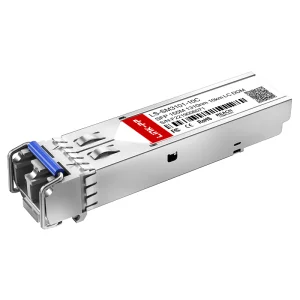
Modern network switches use hybrid designs that place optical SFP/QSFP ports next to standard copper RJ45 ports. This allows the switch to route high-speed backhaul traffic over fiber optic links while using copper lines for local distributions and power delivery (PoE). Metal SFP+ cages are soldered to the PCB to shield the fast optical-to-electrical transceivers from noise generated by adjacent RJ45 components.
Press-fit SFP+ cages use elastic pin designs that press directly into plated through-holes on the PCB without soldering. This solderless method creates a strong mechanical and electrical connection, avoids thermal stress on the board during production, and makes repairs or replacements much easier. Key requirements include precise drill hole tolerances (typically +/- 0.05mm) and controlled insertion force to prevent damage to the circuit board.
Signal loss is usually caused by impedance mismatches, poor contact alignments, and inadequate shielding. At high transmission frequencies, any change in wire pair geometry within the coupler can cause reflections (measured as return loss) and weaken the signal (insertion loss). Using precision injection-molded lead frames and stable internal shielding plates helps prevent these losses and keeps signals clear.
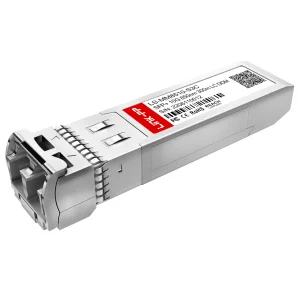
Yes, this is achieved using 10GBASE-T SFP+ copper transceiver modules. These modules plug directly into standard SFP+ cages and convert the optical signals into copper electrical signals, allowing connection to standard RJ45 Cat6A cables over distances up to 30 meters. This approach helps networks transition smoothly between fiber and copper systems without needing to replace entire switches.
Dorelink maintains high quality by using automated production lines, precise testing tools, and a dedicated team of 45 QA specialists. Every production batch undergoes comprehensive testing—including automated optical inspection (AOI), insertion loss testing, and environmental simulation testing—to ensure every exported batch complies fully with international networking standards.
Explore our wider catalog of telecom and LAN components, designed for long-term reliability and compatibility with leading global equipment brands.