Dorelink
Dorelink
Dorelink
Tokyo stands as one of the world's most dense and sophisticated telecommunications hubs. With the rapid expansion of the Inzai Data Center cluster and the continuous evolution of Otemachi as a global financial connectivity point, the demand for reliable Optical Transceivers manufacturers has reached an all-time high. Dorelink Optical Communications, with over 12 years of specialized expertise, is at the forefront of this digital revolution, providing the critical hardware that powers Tokyo’s fiber-to-the-x (FTTx), 5G backhaul, and enterprise cloud networks.
Tokyo is the epicenter of Japan’s "Society 5.0" initiative. As global hyperscalers like AWS, Google, and Microsoft expand their footprints in Tokyo, the need for 100G, 400G, and upcoming 800G optical modules is skyrocketing. Our manufacturing processes are optimized to meet the low-latency requirements of Tokyo’s stock exchanges and the massive throughput needed for AI training clusters.
The transition from NRZ to PAM4 modulation and the adoption of Silicon Photonics are key trends we monitor. In the Tokyo market, there is a distinct shift toward Co-Packaged Optics (CPO) and energy-efficient transceiver designs to comply with Japan's stringent carbon neutrality targets for data centers by 2030.
Serving the Tokyo market requires more than just hardware; it requires an understanding of VCCI compliance, PSE certifications, and the Japanese "Kaizen" approach to quality. Dorelink ensures that every module shipped to Japan undergoes rigorous interoperability testing with major brands like NEC, Fujitsu, and Cisco.
As a premier optical transceiver manufacturer, we blend 12 years of industry experience with a future-forward R&D philosophy.
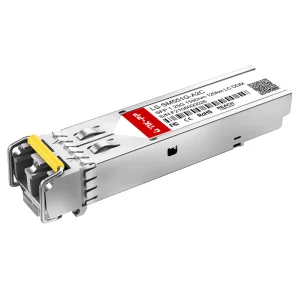
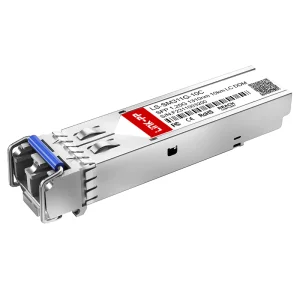
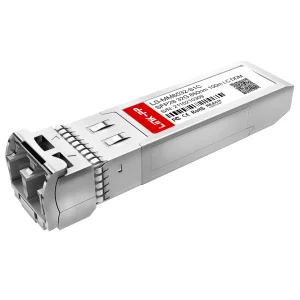
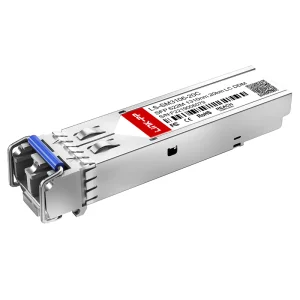
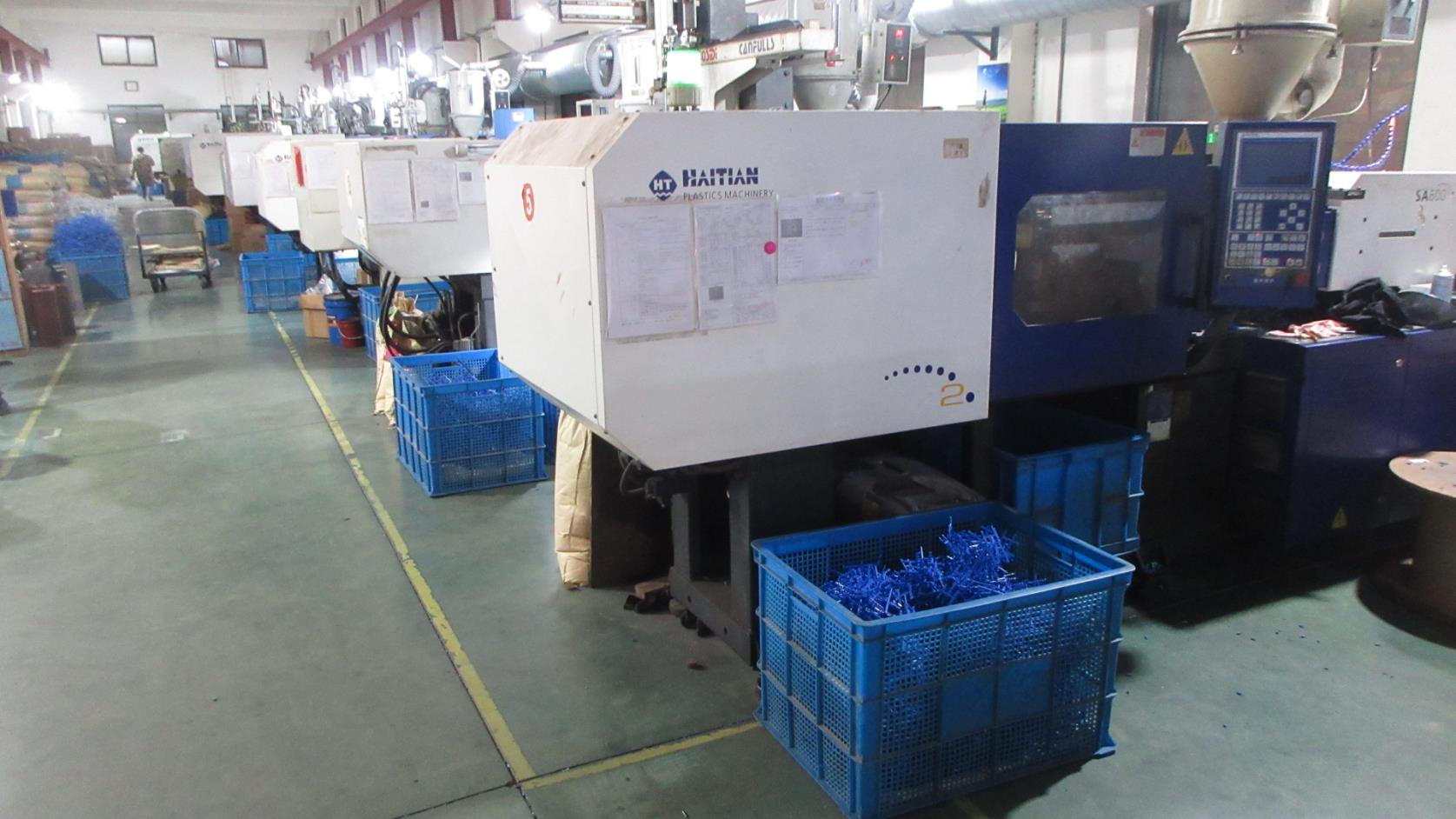
Company Introduction: Established in 2016, Dorelink Optical Communications Co., Ltd. specializes in the research, development, and manufacturing of high-performance optical modules. With 12 years of industry experience, we have developed a robust portfolio including SFP, SFP+, QSFP28, and QSFP-DD form factors.
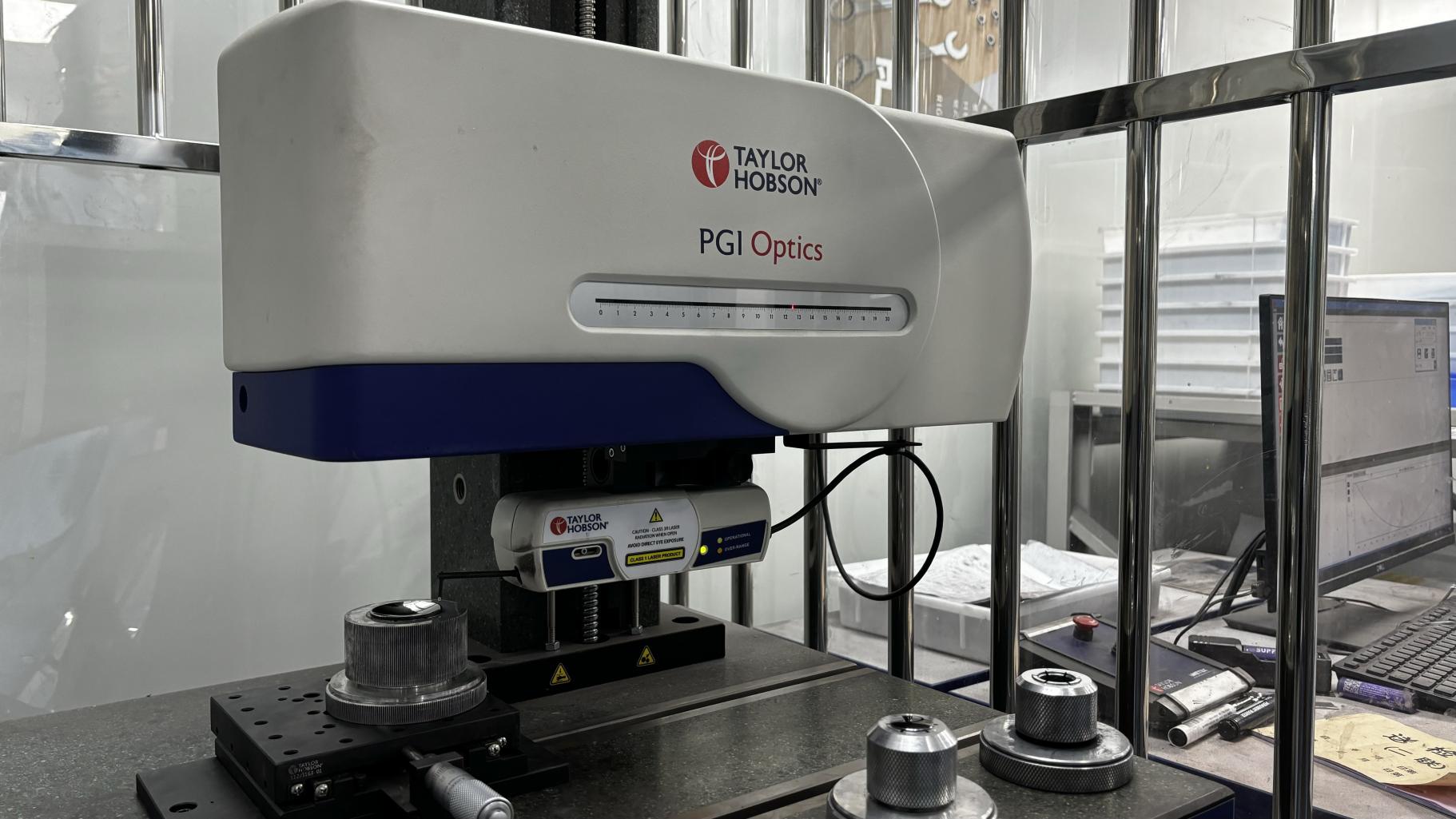
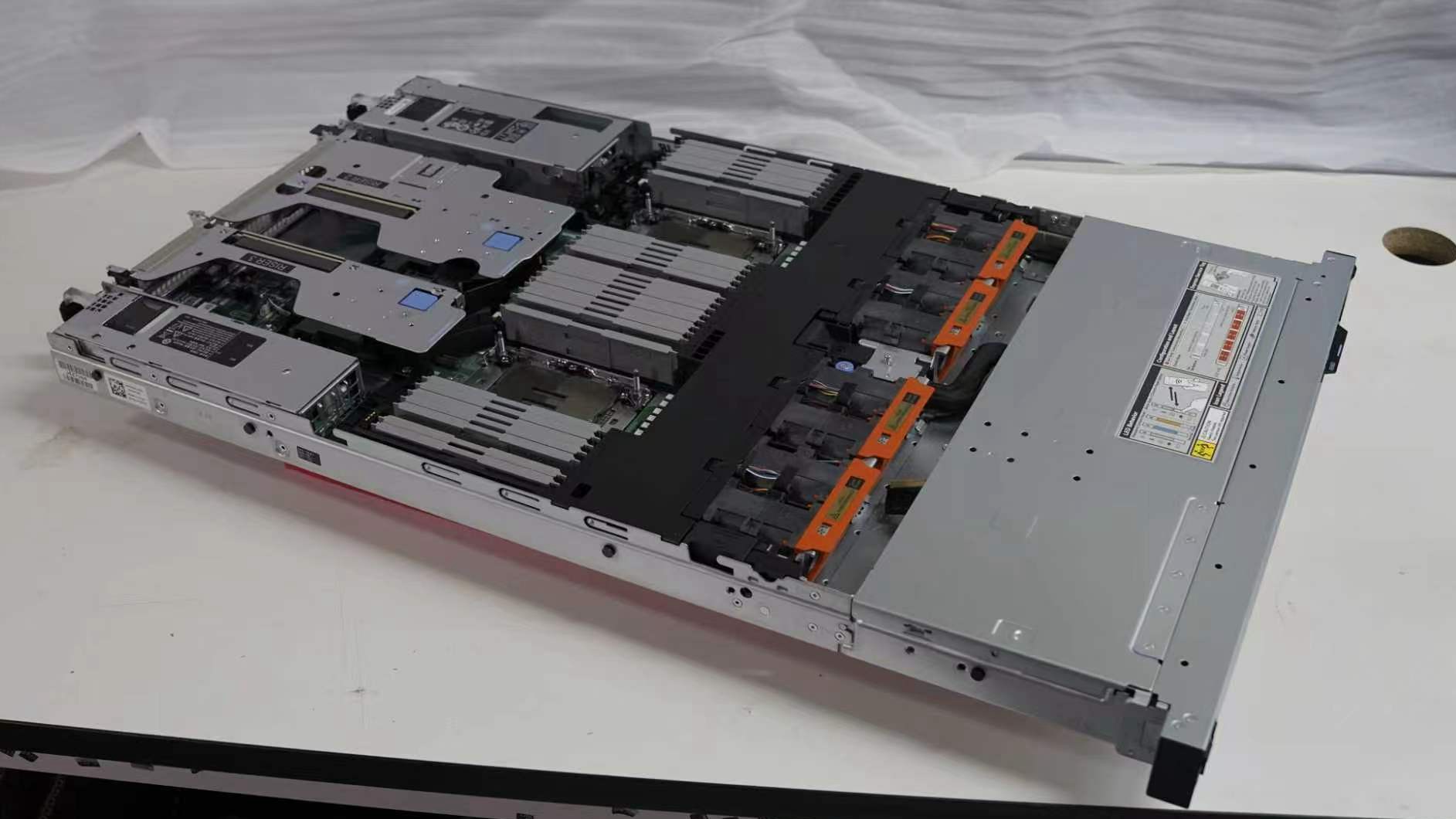
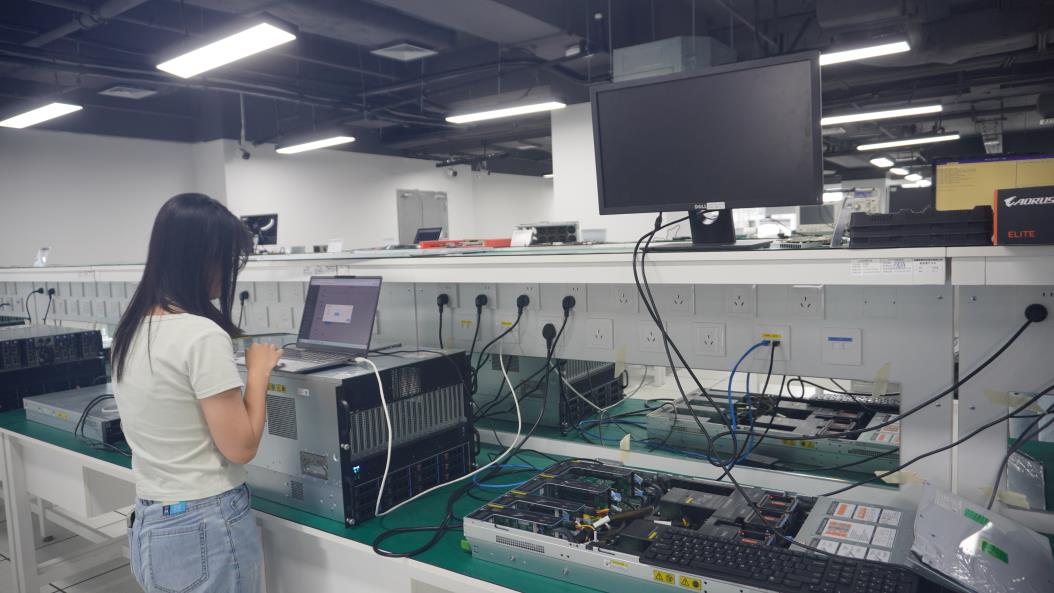
Quality Assurance: Our commitment to quality is unwavering. With a 45-person professional QC team, we implement Incoming Material Inspection (IQC), Process Quality Control (IPQC), and Final Quality Control (FQC). Every module destined for the Tokyo market undergoes comprehensive aging testing and compatibility verification with local network infrastructure.

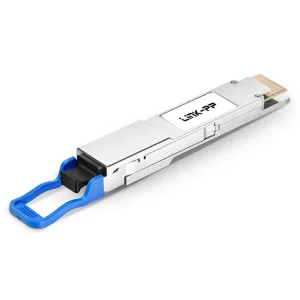
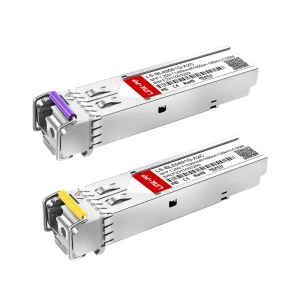
For Tokyo’s multi-tenant data centers, we offer 400G QSFP-DD and 100G QSFP28 modules that provide high-density, low-power consumption links. Our CWDM solutions allow for maximizing fiber capacity without the need for expensive new fiber trenching in Tokyo’s dense urban areas.
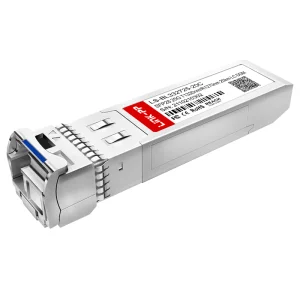
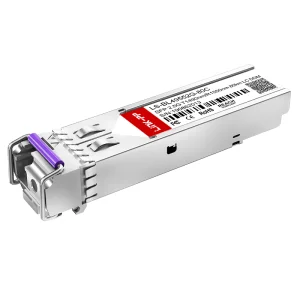
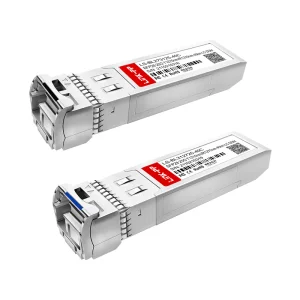
Tokyo’s 5G rollout requires industrial-grade transceivers that can withstand outdoor temperature variations. Our 25G SFP28 BiDi modules are designed for extreme environments, ensuring stable connectivity for small cells across Shinjuku and Shibuya.
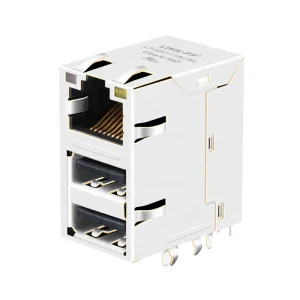
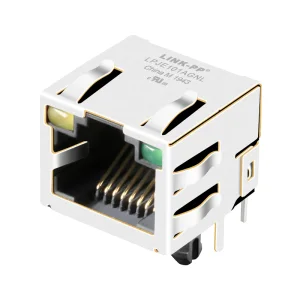
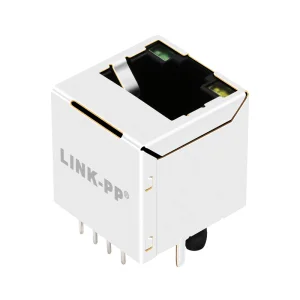
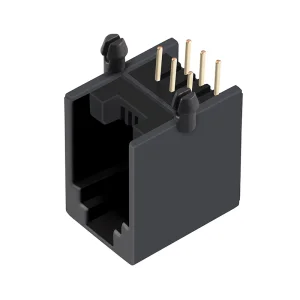
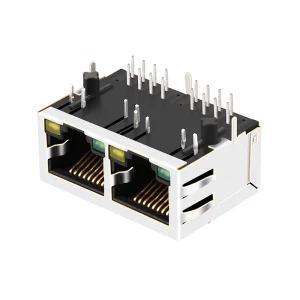
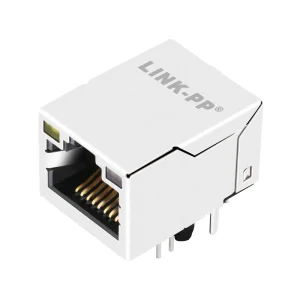
Supporting Tokyo’s smart city initiatives with robust RJ45 connectors and SFP modules for traffic management, surveillance, and public Wi-Fi networks. Reliability is key in public safety applications.
The next decade of Tokyo's internet will be defined by Terabit speeds. Dorelink is already investing in:
Q: Are Dorelink optical transceivers compatible with major Japanese network brands?
A: Yes, our modules are coded and tested for full compatibility with Cisco, Juniper, Arista, and specifically Japanese vendors like NEC and Fujitsu commonly used in the Tokyo market.
Q: What is the lead time for large-scale orders to Tokyo?
A: For standard SFP and QSFP modules, we typically maintain a stock that allows for shipping within 3-5 business days. Large custom orders usually have a lead time of 2-3 weeks.
Q: Do your products comply with Japanese environmental regulations?
A: Absolutely. All our products are RoHS compliant and meet the necessary EMI/EMC requirements for the Japanese market, including VCCI standards.
Q: Can you provide customized firmware for specific network requirements?
A: Yes, our 120+ R&D engineers specialize in firmware optimization and can provide custom-coded modules to ensure seamless integration into proprietary systems.