Dorelink
Dorelink
Dorelink
Explore our high-performance optical modules and modular jacks engineered to meet standard multi-vendor platforms and strict industrial protocols.
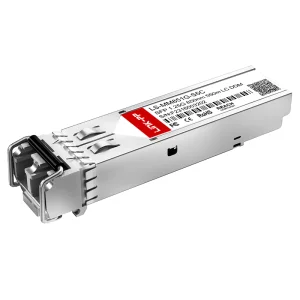
In today’s hyper-scale telecommunications and cloud computing sectors, optical transceivers serve as the critical physical-layer foundation. Network engineers, system integrators, and procurement agents constantly navigate the complex challenges of optical interoperability, thermal dissipation, and vendor lock-in.
The transition to 5G infrastructure, high-frequency trading networks, and AI data centers has accelerated the demand for high-density, low-latency form factors. SFP (Small Form-factor Pluggable) optical modules, bidirectional (BiDi) transceivers, and multi-port cage connectors form the backbone of this evolution. However, deploying multi-vendor components requires precise coding configurations, strict mechanical compliance, and optimal electromagnetic compatibility (EMC).
A trusted research, development, and manufacturing partner specializing in state-of-the-art optical transceivers and custom fiber optic connectivity solutions.
Established in 2016, Dorelink Optical Communications Co., Ltd. specializes in the research, development, manufacturing, and global supply of high-performance optical transceiver products. With a strong focus on optical communication technologies, Dorelink provides reliable fiber optic solutions for data centers, telecommunications networks, enterprise connectivity, and industrial applications. Operating a modern, specialized manufacturing facility with a total building area of 18,500㎡, we leverage advanced automated testing and precision optical assembly lines to deliver exceptional scale and customization to global partners.
Boasting over 12 years of industry experience and 7 years of direct international trade background as an autonomous manufacturer and exporter, we facilitate enterprise networks with seamless transitions to high-bandwidth architectures.
Our 120 professional engineers specialize in independent optical module design, advanced firmware configurations, compatibility emulation, and physical layer validation. We successfully released 85 innovative optical transceiver models last year.
Dorelink works in tandem with over 850 long-term supply chain partners worldwide to deliver high-quality modules to North America, Europe, Southeast Asia, the Middle East, South America, and Australia.
A comprehensive overview of optical communication speed increments, shielding standards, and form factor design.
The legacy 1G and 10G networks are quickly evolving into high-density architectures. By utilizing Wavelength Division Multiplexing (WDM) and single-fiber bidirectional (BiDi) topologies, operators double their throughput without laying new fiber. Our roadmap covers 1.25G SFP, 10G SFP+, 40G QSFP+, and scalable pathways to 100G/400G and 800G coherent optics.
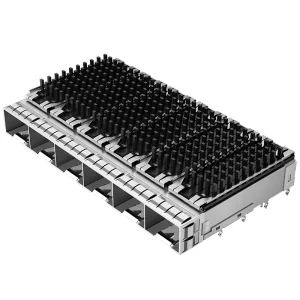
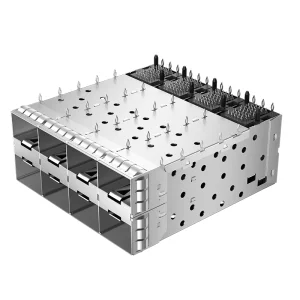
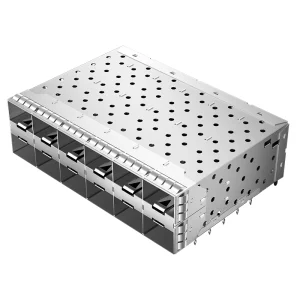
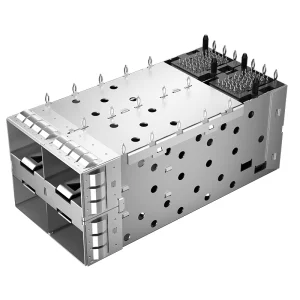
Signal degradation and Electromagnetic Interference (EMI) represent major engineering hurdles in high-port-density deployments. Solutions such as the TE Replacement EMI Shielded Press Fit SFP+ Cage mitigate noise and guarantee high mechanical stability through press-fit terminations, which eliminate through-hole soldering and reduce parasitic inductance.
To counter escalating power consumption, the optical industry is actively testing Co-Packaged Optics (CPO) and Linear-drive Pluggable Optics (LPO). Dorelink's engineering division focuses on refining transceiver sub-assemblies (TOSA/ROSA) to support lower power profiles, ensuring compatibility with next-generation high-speed switch backplanes.
By designing transceivers strictly compliant with Multi-Source Agreements (MSA), Dorelink assures that network operators can upgrade switch components without replacing their physical connectivity layer.
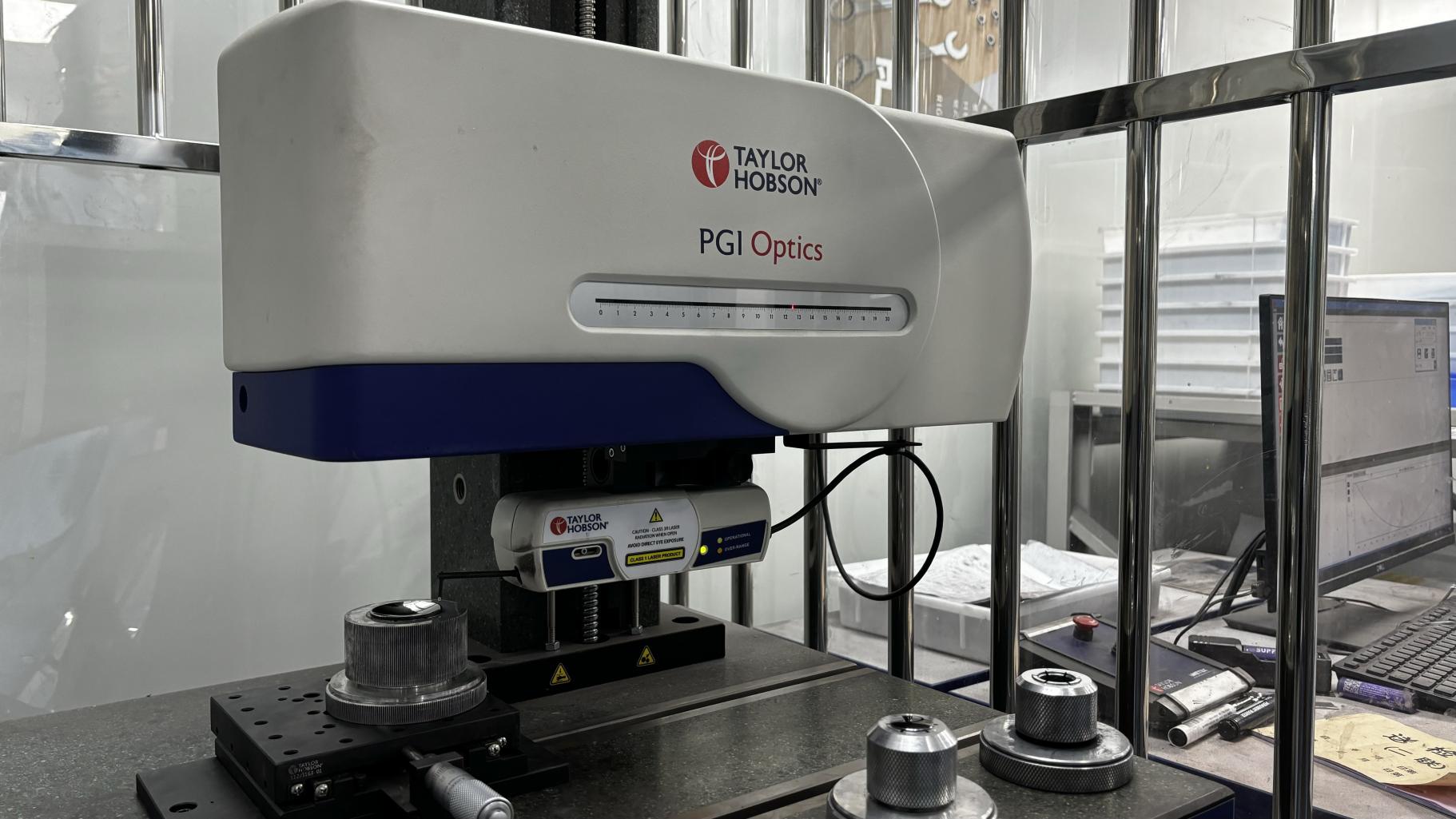
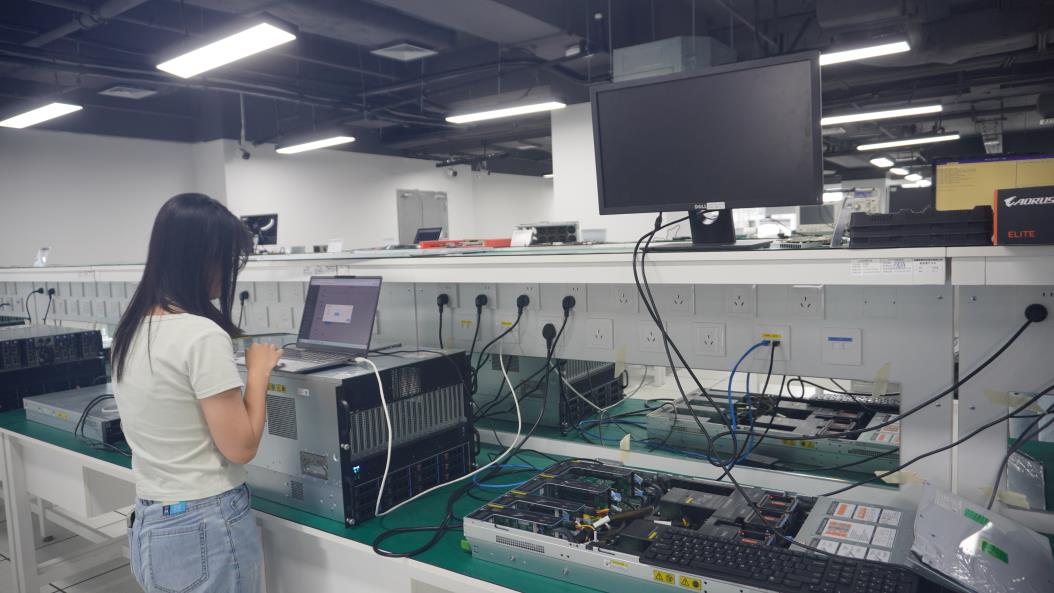
A look inside our 45-engineer quality assurance lab and our rigorous optical module test process.
Comprehensive verification of optoelectronic chips, laser diodes (VCSEL, DFB, EML), photodiodes, and PCB assemblies before production.
Automated precision die bonding, wire bonding, optical alignment validation, and real-time parameter tracking at every assembly workstation.
100% full-functional diagnostics, optical spectrum analysis, eye diagram testing, thermal cycling, and continuous 48-hour burn-in aging.
Our 45 professional quality control personnel use advanced optical power meters, bit error rate testers (BERT), optical spectrum analyzers (OSA), and digital communications analyzers to measure optical eye pattern quality, extinction ratios, center wavelengths, jitter, and receiver sensitivity. Every shipped module features custom DDM (Digital Diagnostics Monitoring) parameters, enabling network administrators to monitor real-time laser bias currents, operating temperatures, and transceiver optical power.
Supporting diverse global network topologies and enterprise connectivity designs.
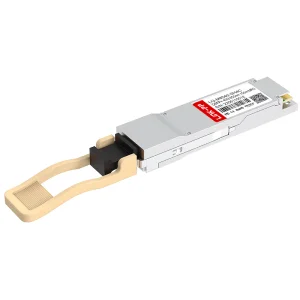
Our high-speed 40G QSFP+ transceivers and multi-port press-fit cages allow data centers to maximize rack density. By using EMI-shielded multi-port cages, operators avoid crosstalk and thermal degradation, paving the path to smooth 100G/400G transitions.
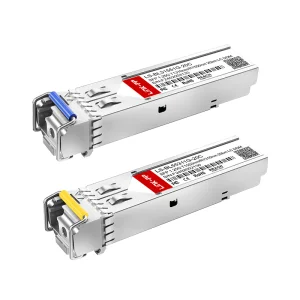
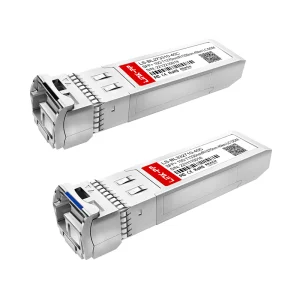
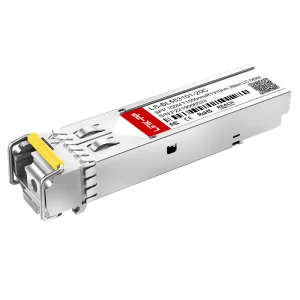
Dorelink provides bidirectional (BiDi) SFP and SFP+ modules that optimize fiber usage for FTTx and Metropolitan Area Networks (MANs). These single-fiber designs transmit and receive on separate wavelengths (e.g., 1270nm/1330nm, 1310nm/1550nm) to double deployment capacity.
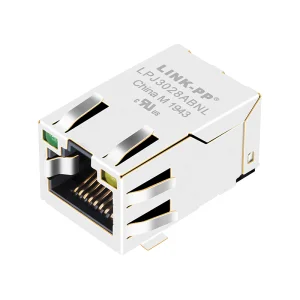
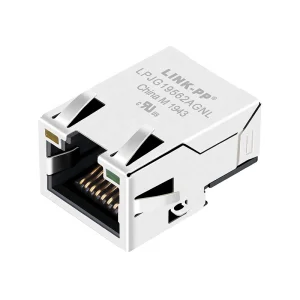
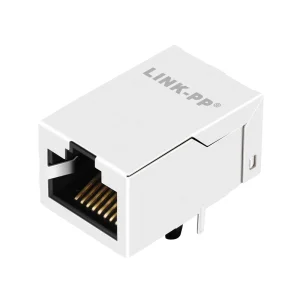
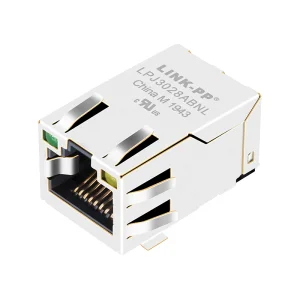
Industrial setups demand hardware that can withstand extreme environments. Dorelink designs wide-temperature transceivers (-40°C to +85°C) and robust SMT RJ45 jacks with built-in magnetic modules to shield industrial machinery from high electromagnetic noise.
We understand that off-the-shelf options don't always fit. We offer flexible OEM/ODM modifications, customizing hardware, firmware, and mechanical form factors for global network providers.
Deploying networking gear worldwide requires complying with rigorous international standards. Dorelink operates with strict quality management systems and holds vital regulatory approvals to ensure uninterrupted global distribution.
Essential insights on optical transceiver compatibility, EMI mitigation, and manufacturing metrics.
We use a comprehensive hardware emulation testing lab equipped with actual network switches from leading brands. By extracting target vendor EEPROM data profiles, we program the correct manufacturer identifiers, model numbers, and checksums into the module’s microcontroller. This prevents software lockouts on host switches, ensuring true plug-and-play installation.
Press-fit connections utilize compliant pins that fit tightly into PCB holes, forming a highly reliable, solderless joint. This lowers parasitical capacitance and inductance, preserves signal integrity at 10G/25G rates, and avoids thermal damage to the board during assembly. It also simplifies replacement or system upgrades.
Standard transceivers need dual fibers: one to transmit (Tx) and one to receive (Rx). Bidirectional (BiDi) transceivers utilize a Wavelength Division Multiplexing (WDM) diplexer to transmit and receive signals over a single fiber, using separate wavelengths (such as 1270nm and 1330nm). This doubles fiber capacity and reduces fiber cabling expenses by 50%.
Internal magnetics isolate systems from high-voltage spikes, filter out common-mode noise, and match impedance between the transceiver and physical cable. This reduces bit errors and protects host Ethernet controllers from damage.
We support comprehensive customizations, including modifications to EEPROM coding, customized optical power budgets, wide operating temperature ranges (-40°C to +85°C), heat sinks, customized labeling, serial ranges, and customized packaging.
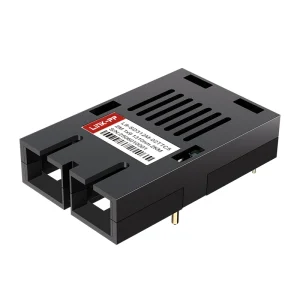
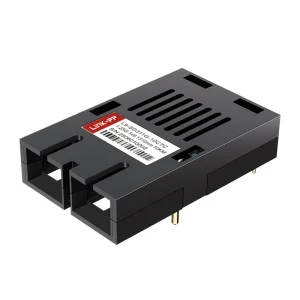
Explore our industrial bidirectional transceivers, standard 1x9 designs, and multi-port connector cages.
A look inside our 18,500㎡ cleanroom facilities, automated module testing, and component production environment.