Dorelink Dorelink

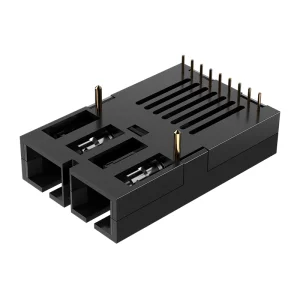
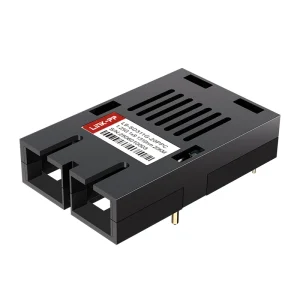
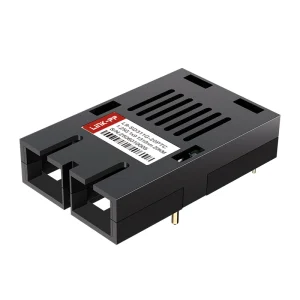
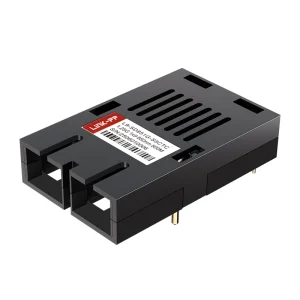
Leading 1x9 Transceivers Supplier & Exporter in the Brazil Market

High-Performance Industrial Optical Solutions for Brazil's Digital Infrastructure and Automation Transformation

SEND INQUIRY NOW

🇧🇷 The Strategic Importance of 1x9 Transceivers in the Brazil Market

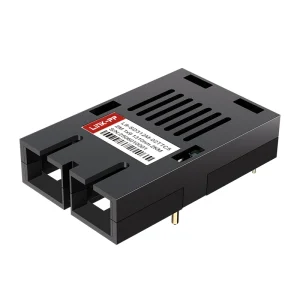
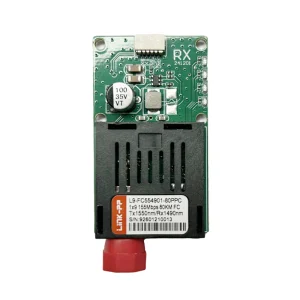
As South America's largest economy, Brazil is currently navigating a sophisticated industrial transition known as Industria 4.0. While high-speed data centers in São Paulo and Rio de Janeiro demand 100G and 400G solutions, a massive segment of Brazil's industrial infrastructure—including Eletrobras power grids, Petrobras oil refineries, and municipal rail systems—relies heavily on the rugged stability of 1x9 transceivers.

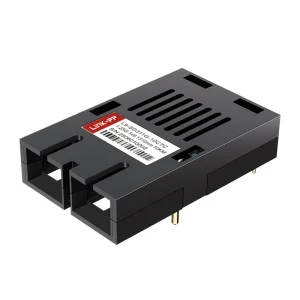
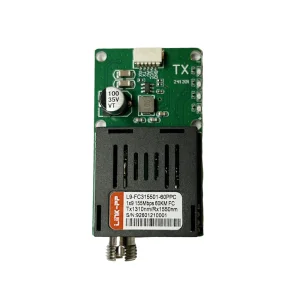
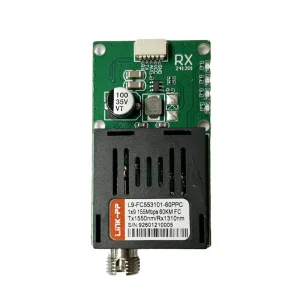
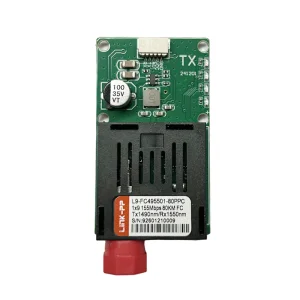
Unlike the hot-pluggable SFP form factor, 1x9 transceivers are soldered directly to the PCB. In Brazil’s tropical environment, where high humidity and vibration (especially in heavy industrial zones like the Manaus Free Trade Zone) are constant challenges, the 1x9 form factor provides a level of mechanical reliability that modern "pluggables" cannot match. Our role as a premier supplier and exporter is to bridge this gap, providing high-reliability, long-lifecycle components that withstand the unique stresses of the Brazilian climate and industrial topography.
12+

Years Industry Expertise

USD 18M

Annual Export Revenue

45

QC Professionals

120

R&D Engineers

🌐 Global Industry Trends & Technical Roadmap

Globally, the optical transceiver market is bifurcating. One path leads toward ultra-high speeds (800G+), while the other focuses on "The Rugged Edge." 1x9 transceivers fall into the latter, evolving from simple Fast Ethernet (155M) modules to Gigabit-capable (1.25G) and 2.5G powerhouse components.

Current Technical Trends:
  • BiDi Technology Integration: Brazil’s vast geography makes fiber installation expensive. Our BiDi (Bidirectional) 1x9 modules allow for data transmission over a single fiber strand, effectively doubling the fiber capacity of existing deployments in regions like Minas Gerais.
  • Extended Temperature Ranges: Industrial-grade 1x9 modules are now designed to operate from -40°C to +85°C. For Brazilian exports, we ensure our modules handle the intense heat of Northern Brazil without thermal throttling.
  • TTL vs. PECL Logic: We continue to support legacy TTL signaling common in older South American industrial controllers while providing modern PECL/LVPECL interfaces for new system integrations.
Growth Insight: The Brazilian smart grid market is projected to grow by 12% CAGR. 1x9 transceivers are the primary choice for substations due to their immunity to electromagnetic interference (EMI) and their robust physical connection.

🏢 Corporate Profile: Dorelink Optical Communications

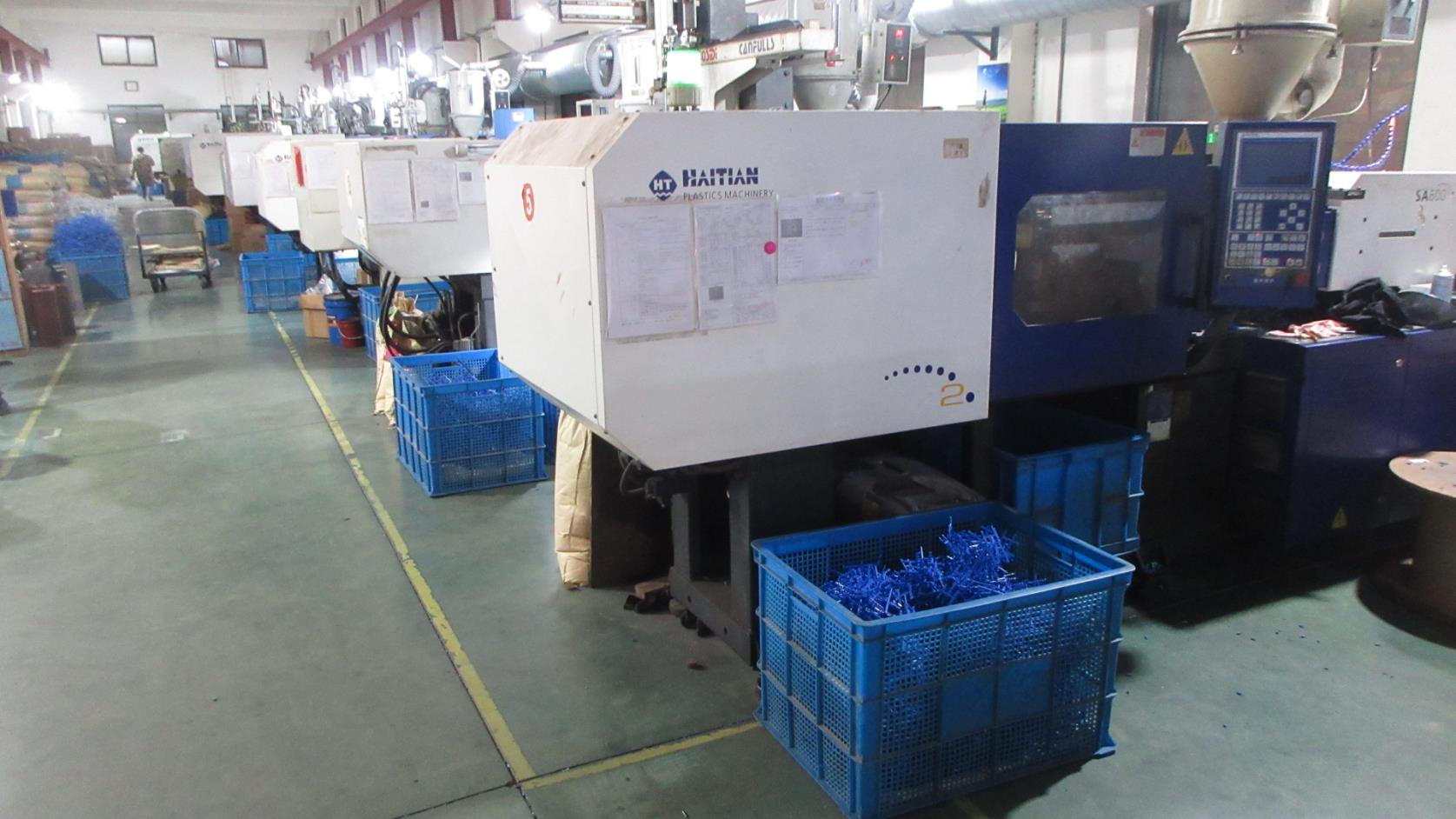
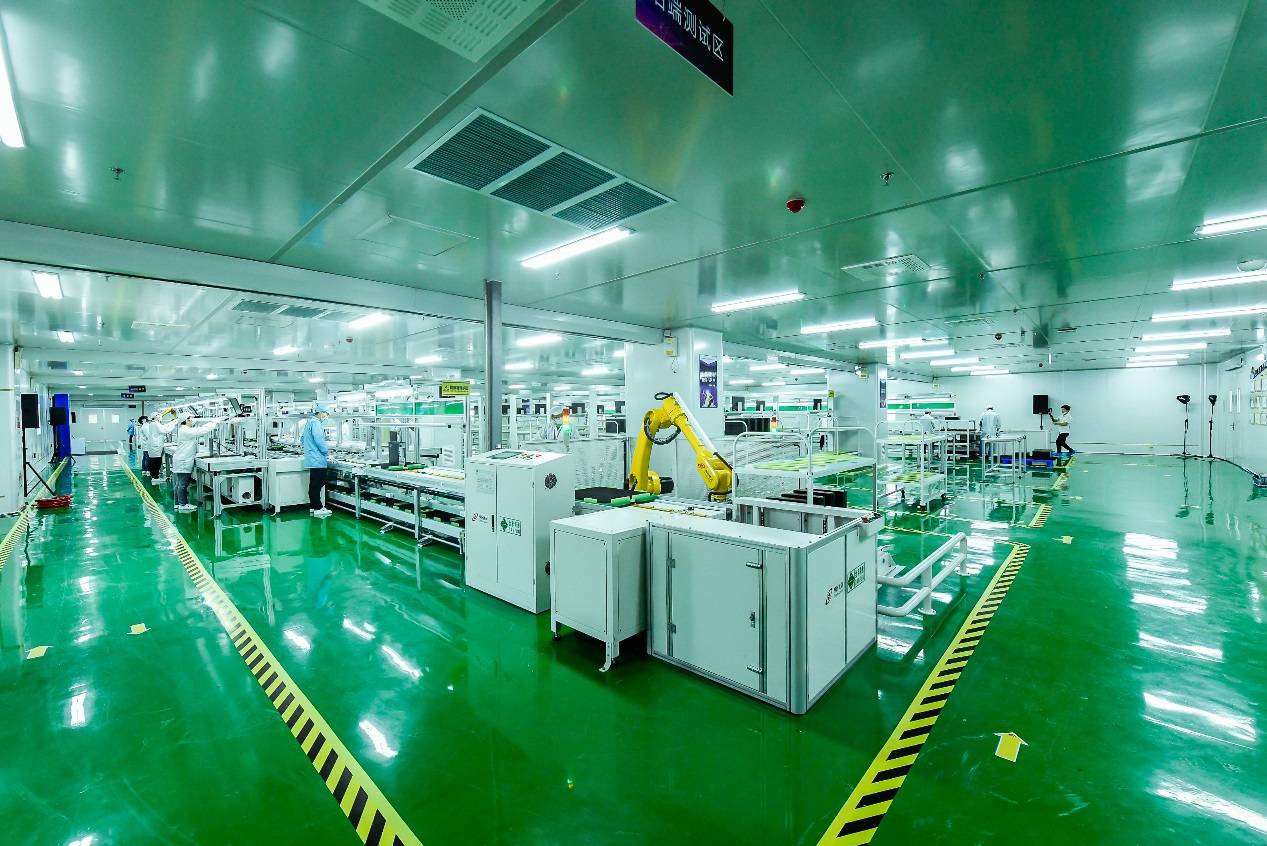
Established in 2016, Dorelink Optical Communications Co., Ltd. has grown into a global powerhouse in the research, development, and manufacturing of high-performance optical transceivers. Our 18,500㎡ facility is a hub of innovation, where we produce over 85 new models annually to meet the evolving needs of our international partners.

Quality Control

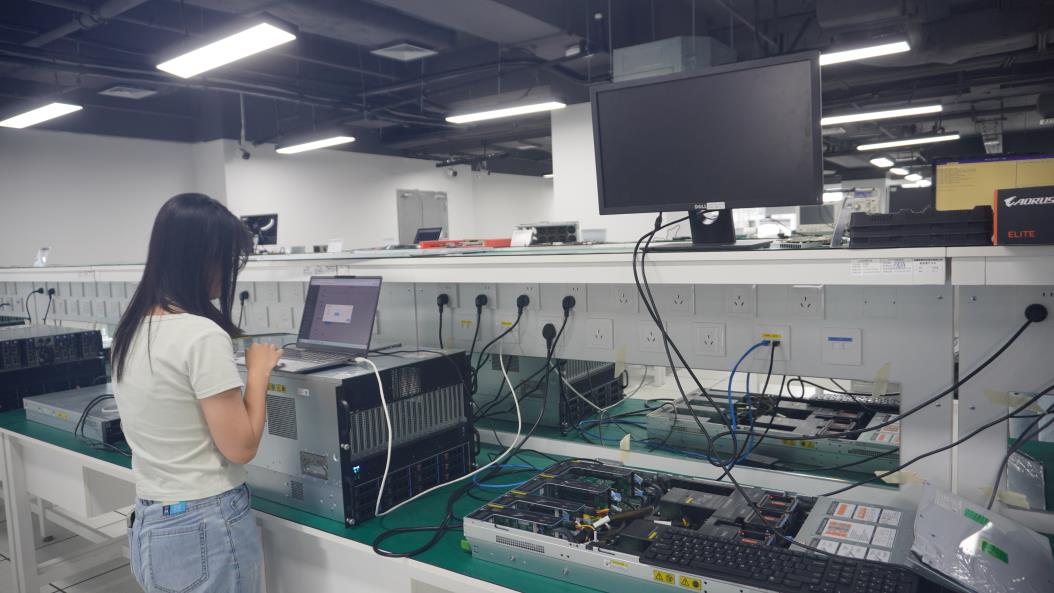
45 professional QC personnel implementing IQC, IPQC, and FQC. Every module undergoes rigorous aging and reliability testing before shipment to Brazil.

R&D Power

With 120 engineers, we specialize in independent firmware optimization and hardware customization for unique Brazilian industrial protocols.

Global Reach

Exporting to over 850 supply chain partners worldwide, with a specialized logistics chain for the South American market.

🛠 Localized Application Scenarios in Brazil

🚆

Railway Signaling

Used in CPTM (São Paulo) and SuperVia (Rio) for fail-safe trackside communications where vibration would dislodge standard SFPs.

Energy Substations

IEC 61850 compliant 1x9 modules for high-voltage environments in the Tucuruí Dam distribution networks.

🏗️

Heavy Manufacturing

Fiber-to-the-machine (FTTM) solutions in Brazil's automotive assembly plants for EMI-free data transmission.

❓ Frequently Asked Questions (FAQ)

1. Why choose 1x9 transceivers over SFP modules for Brazilian industrial projects?
1x9 modules are soldered directly to the board, providing superior mechanical stability in high-vibration environments. They also offer a simpler, fixed-function design that is often more cost-effective for long-term industrial deployments where hot-swapping is not a requirement.
2. Do your 1x9 transceivers comply with Brazil's ANATEL standards?
Yes, as a leading exporter, our products are designed to meet international standards including CE, FCC, and RoHS, and we provide the necessary technical documentation to support ANATEL certification for local Brazilian integrators.
3. Can you provide customized wavelengths for Brazil’s single-fiber networks?
Absolutely. We offer customized BiDi (Bidirectional) 1x9 solutions in 1310/1550nm, 1490/1550nm, and other CWDM wavelengths to optimize existing fiber infrastructure across large distances in Brazil.
4. What is the typical lead time for large-scale industrial orders to Brazil?
With our 18,500㎡ facility and optimized production lines, we typically ship large orders within 2-4 weeks, ensuring your projects in São Paulo, Curitiba, or Manaus stay on schedule.

Partner with Brazil's Trusted 1x9 Transceiver Supplier

Get technical consultation and bulk pricing for your Brazilian industrial and telecom projects.

REQUEST A QUOTE TODAY