Dorelink
The demand for fiber optic transceivers is rapidly increasing. According to market research, the global fiber optic transceiver market is projected to reach $8 billion by 2025. This growth is driven by the expansion of data centers and telecom networks. Companies are seeking reliable solutions for high-speed data transmission.
Fiber optic transceivers play a crucial role in modern communication systems. They convert electrical signals into optical signals, enabling faster and more efficient data transfer over long distances. However, not all transceivers are created equal. Buyers must consider factors like compatibility, reach, and environmental conditions.
Despite advancements, challenges remain in the market. Variability in standards and quality can lead to performance issues. Additionally, the rapid pace of technology can make it hard for buyers to keep up. It’s essential to choose providers with a proven track record and expertise in fiber optic technologies. This will ensure reliable performance and longevity of deployed systems.
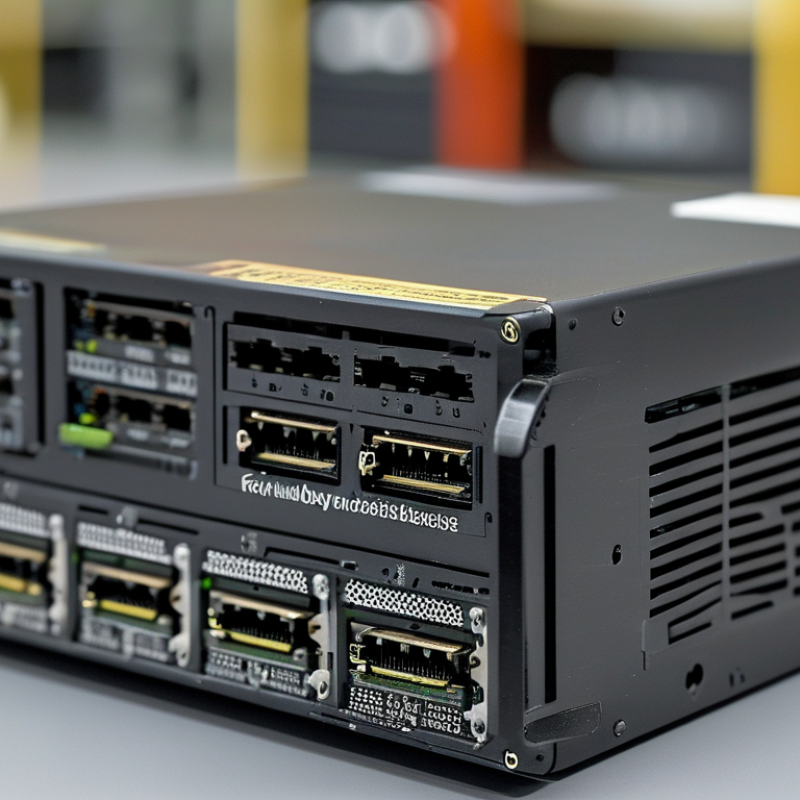
Fiber optic transceivers are crucial devices in modern communication systems. They convert electrical signals into optical signals and vice versa, enabling high-speed data transmission over long distances. Their importance lies in their ability to support vast amounts of data while maintaining signal integrity. This is essential in an age where data demands continuously escalate.
These transceivers play a significant role in industries ranging from telecommunications to data centers. They ensure efficient communication, enhancing connectivity. However, not all fiber optic transceivers are equal. Differences in specifications like wavelength, distance, and data rate can significantly impact performance. Choosing the right transceiver can be challenging, especially for global buyers who might face varying standards.
Some buyers may overlook the importance of compatibility. This can lead to subpar performance and integration issues. Understanding the technical details and specifications is vital. Many professionals find navigating these complexities daunting, often resulting in ill-informed decisions. Thus, awareness and education about fiber optic transceivers are imperative for optimizing communication infrastructures.
When selecting fiber optic transceivers, certain key features are vital. Performance is among the top priorities. Look for transceivers that offer high data transfer rates. Compatibility with existing network hardware is also crucial. Ensure the transceiver fits your specific networking needs.
Consider the form factor of the transceivers. Various sizes suit different applications. For instance, SFP and SFP+ are popular choices for high-speed networks. Make sure that the selected transceiver matches your equipment's requirements. Installations can be challenging, which emphasizes the importance of proper dimensions.
Tips: Check the optical range. Longer distances require specific transceiver types. Assess power consumption as well; energy-efficient models save money long-term. Always read user reviews for real-life performance insights. Sometimes specifications can mislead. Exploring community feedback provides valuable context.
Ease of availability is another aspect to ponder. In some regions, stock might be limited. Supply chain issues may arise, impacting procurement. Lastly, always verify warranty terms. A robust warranty reflects the manufacturer's confidence in their product. This confidence can guide your decision-making process.
Fiber optic transceivers play a crucial role in modern telecommunications. They enable high-speed data transmission over long distances. Different applications require varying types of transceivers to meet specific needs. For instance, 10G SFP+ transceivers are popular for data centers. They provide efficiency in high-speed connections and ensure low latency.
In contrast, CWDM and DWDM transceivers are essential for long-haul networks. These technologies can transmit multiple signals over one fiber simultaneously. This ability maximizes bandwidth, which is vital for global communication systems. Similarly, 40G and 100G transceivers cater to backbone infrastructures. They support growing data traffic demands.
Choosing the right transceiver isn't always straightforward. Compatibility with existing hardware can pose challenges. Buyers should consider factors such as distance requirements and network design. While many options exist, they must select wisely. Evaluating performance metrics is key to making an informed decision. Understanding the nuances can lead to better networking outcomes. Keep in mind, mistakes can be costly. And sometimes it's about trial and error to identify the best fit.
Fiber optic transceivers are essential for high-speed communication. Numerous brands dominate the market, each offering unique features. When analyzing these options, a few key factors emerge. Performance metrics, compatibility, and reliability significantly influence buyer choices. Additionally, cost-effectiveness often dictates purchasing decisions.
One brand may excel in data rate, while another focuses on durability. It’s crucial to assess the specific needs of your network. Some transceivers may struggle under heavy loads. Others might have limited compatibility with existing infrastructure. These challenges can hinder performance, requiring careful consideration.
Quality and support are also vital. Not all brands provide equal service after the sale. Technical support can vary widely. Customers should seek out user reviews and expert opinions. This feedback aids in making an informed decision. Ultimately, successful integration depends on aligning transceiver choices with network demands.
The landscape of fiber optic transceiver technology is rapidly evolving. These components are essential for high-speed data transmission in modern networks. Innovations are focusing on increasing speed, reducing power consumption, and enhancing compatibility. Some advancements aim at integrating transceivers directly onto circuit boards. This integration can lead to smaller and more efficient designs.
As bandwidth demands grow, manufacturers are exploring new modulation techniques. Advanced modulation can improve the data transfer rates significantly. For example, the development of coherent technology increases the volume of data carried over a single fiber. Additionally, there is a shift towards using more sustainable materials in production. This transition supports eco-friendly practices without compromising performance.
However, challenges remain in maintaining cost-effectiveness while pursuing innovation. The market also faces compatibility issues with legacy systems. Constant upgrading can strain budgets for many organizations. Technicians often must balance the latest trends with current infrastructure limitations. Reflecting on these challenges is necessary for making informed purchasing decisions.
: They are essential for high-speed communication in modern networks.
Performance metrics, compatibility, reliability, and cost-effectiveness are key factors.
Yes, some may have performance issues when handling heavy data traffic.
Not all brands offer equal support, which is crucial for effective integration.
Innovations focus on increasing speed, reducing power use, and enhancing compatibility.
Compatibility with legacy systems can make upgrades difficult and costly.
Yes, there’s a shift towards sustainable materials without sacrificing performance.
It significantly improves data transfer rates, supporting higher bandwidth demands.
User feedback helps inform decisions and ensures better choices based on experience.
Balancing new trends with existing infrastructure is crucial for informed decisions.
Fiber optic transceivers play a crucial role in modern communication systems by enabling high-speed data transmission over long distances. Understanding their importance is essential for global buyers looking to enhance their network infrastructure. When selecting fiber optic transceivers, consumers should consider key features such as compatibility, data rate, distance range, and form factor, which can significantly impact performance and efficiency.
The article outlines a top-10 list of fiber optic transceivers tailored for various applications, providing insights into how different models cater to specific needs. A comparative analysis of leading brands within the industry highlights the advantages and disadvantages each transceiver presents, assisting buyers in making informed decisions. Furthermore, the discussion on future trends in fiber optic transceiver technology offers a glimpse into the evolving landscape, emphasizing innovations that may shape the next generation of data communication solutions.
