Dorelink
As the demand for high-speed internet continues to grow, the importance of optical transceivers cannot be overlooked. These devices play a critical role in transmitting data across networks. In 2026, global buyers face a variety of options, making informed choices essential.
Optical transceivers are vital for efficient communication. They convert electrical signals to optical signals and vice versa. With advances in technology, options vary significantly in performance and price. Choosing the right one can be daunting. It is crucial to consider aspects such as compatibility, speed, and distance.
Despite the abundance of choices, some products may falter in reliability. Buyers should conduct thorough research and reflect on past experiences. Relying solely on brand names can lead to mistakes. Understanding the specific requirements of your network is essential for selecting the best optical transceiver.
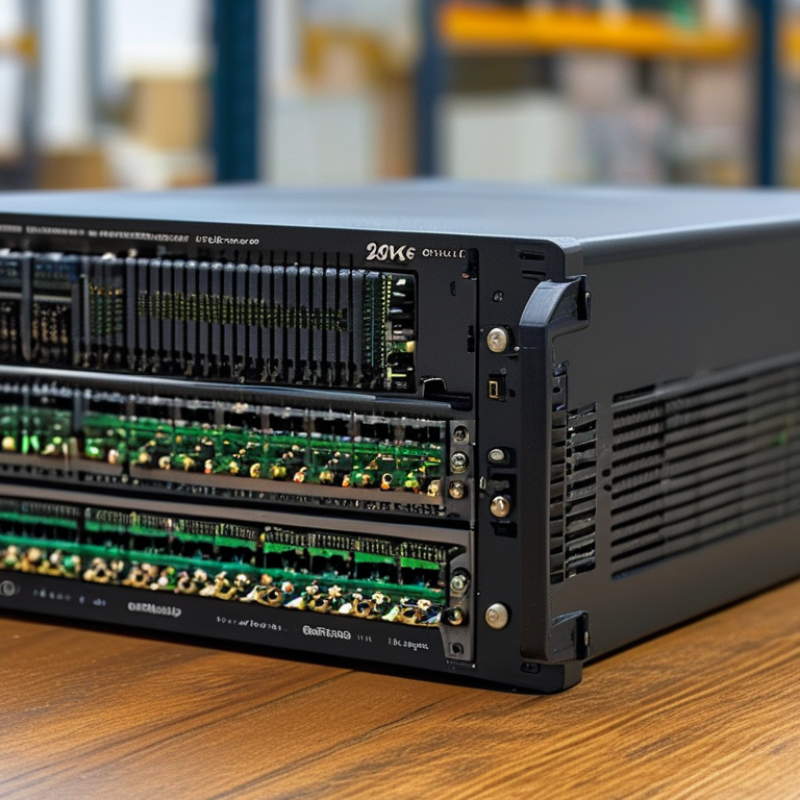
Optical transceivers play a vital role in modern communication networks. They convert electrical signals into optical signals and vice versa, allowing for high-speed data transmission over fiber optic cables. This technology is crucial for internet infrastructure, data centers, and telecommunications networks. As bandwidth demands grow, the efficiency and performance of transceivers have become increasingly important. Users must understand the technology to make informed choices.
A good optical transceiver meets several key criteria. It should offer high data rates, low latency, and compatibility with existing systems. Additionally, factors such as temperature stability and power consumption are critical. Advances in design have led to more compact and energy-efficient models. However, buyers often overlook details like these in favor of flashy specifications.
Challenges exist in selecting the right optical transceiver. With the rapid evolution of technology, keeping up can be daunting. The market is flooded with options, and not all solutions are created equal. Users should examine reviews and case studies to gauge performance. Consulting with experts can help navigate this complex landscape. It is essential to invest time in research to avoid costly mistakes in the future.
When choosing optical transceivers, several key factors come into play. Compatibility is crucial. Ensure the transceiver works well with your existing network devices. Different interfaces and protocols exist, and not all are interchangeable. A mistake here can lead to connectivity issues.
Another important aspect is the transmission distance. Transceivers are designed for specific ranges, whether short or long distances. It’s essential to assess your network's requirements. For example, if your network covers a large area, look for high-performance options that support long-range transmissions.
Additionally, consider the data rates. As technology advances, the demand for higher speeds grows. Selecting a transceiver that supports your current and future bandwidth needs is vital. Skimping on data rates could result in slowdowns and performance bottlenecks later. Remember, these decisions impact overall network efficiency and reliability.
| Type | Data Rate | Distance | Wavelength | Connector | Application |
|---|---|---|---|---|---|
| SFP+ | 10 Gbps | 300m OM3 | 850 nm | LC | Data Center |
| SFP28 | 25 Gbps | 100m OM4 | 850 nm | LC | High-speed Networking |
| QSFP+ | 40 Gbps | 150m OM3 | 850 nm | MPO | Ethernet & InfiniBand |
| QSFP28 | 100 Gbps | 70m OM3 | 850 nm | MPO | Data Center Interconnect |
| SFP | 1 Gbps | 550m OM2 | 1310 nm | LC | Enterprise Networking |
In 2026, the demand for optical transceivers has surged globally. These devices play a crucial role in data transmission. They enhance network performance significantly. Buyers need to understand key features when selecting options. Factors like speed, range and compatibility matter. Different models cater to diverse needs.
Leading brands offer various options. Some focus on high-speed data transfer, while others prioritize energy efficiency. Buyers often face confusion. They may question which model suits their infrastructure best. Reviews can help clarify these doubts. User feedback and expert assessments provide insights on reliability. However, not all models live up to expectations.
Some may experience compatibility issues. This can lead to network disruptions. Ensuring proper integration with existing systems is vital. Do thorough research before purchasing. Investing time in understanding the technology can yield better results. The optical transceiver market in 2026 is dynamic. Stay updated with trends to make informed decisions.
When selecting optical transceivers, performance metrics are crucial. These metrics include data rate, reach, wavelength, and power consumption. Each plays a role in determining the overall efficiency and suitability of a transceiver for specific applications. A high data rate could mean faster communications. However, this might come with increased power requirements.
Evaluating the reach is equally important. Longer distances often require more sophisticated technology, which can add to complexity and cost. Wavelength impacts compatibility with existing network infrastructure. It's vital to ensure the chosen transceiver aligns with your optical fiber specifications. Power consumption should not be overlooked. Higher efficiency can lower operational costs in the long run.
While many metrics are well understood, the integration of these factors can be challenging. Sometimes, trade-offs are necessary. For instance, prioritizing speed may reduce reach. Some buyers might overlook this, leading to compatibility issues. Testing and empirical analysis can inform better choices. Reflecting on past decisions can guide future purchases.
The future of optical transceivers is poised for transformative innovations. According to a recent industry report, the global optical transceiver market is projected to reach $7.6 billion by 2026, growing at a CAGR of 13.6%. This growth is driven by increasing demand for high-speed data transmission and enhancements in fiber optic technology.
Designing the next generation of optical transceivers involves several critical trends. Miniaturization is one such trend, reducing the size and weight of components while boosting performance. By adopting advanced photonic integration techniques, manufacturers can achieve higher data rates. In 2023, nearly 30% of optical transceivers featured these techniques, a number expected to rise.
Moreover, sustainability is becoming a focal point in design. The industry is shifting towards energy-efficient solutions, aligning with global environmental goals. Reports indicate that energy consumption in networking equipment accounts for up to 5% of a data center's total energy usage. Addressing this can significantly reduce operational costs. However, the balance between performance and energy savings remains a challenge. More research is needed to optimize designs that meet both criteria.
: Ensure the transceiver works with your existing network devices and protocols. Compatibility prevents connectivity issues.
Assess your network's size. Choose transceivers supporting short or long distances based on your specific needs.
Data rates impact network speeds. Selecting a transceiver that meets both current and future bandwidth needs is essential.
Focus on data rate, reach, wavelength, and power consumption. Each metric affects efficiency and application suitability.
Longer reach often requires advanced technology. This can increase complexity and potentially raise costs.
Higher efficiency can reduce operational costs. Lower power consumption leads to better long-term savings.
Yes, sometimes trade-offs are necessary. Prioritizing speed might reduce reach, so careful evaluation is crucial.
Test and analyze metrics before purchase. Reflecting on past decisions can help avoid future mistakes.
The article "2026 Best Optical Transceiver Options for Global Buyers" provides a comprehensive overview of optical transceiver technology, emphasizing its critical role in modern communication networks. The discussion begins with the significance of optical transceivers, highlighting how they facilitate high-speed data transmission over long distances.
Key factors to consider when selecting optical transceivers include compatibility, performance metrics, and specific application requirements. The article reviews various brands and models available in 2026, comparing their performance metrics to help buyers make informed decisions. Additionally, it explores future trends in optical transceiver design and innovation, underscoring the continuous advancements that promise to enhance efficiency and meet the growing demands of global connectivity.
