In the rapidly evolving world of network technology, the demand for efficient data transmission continues to grow. One crucial component in this realm is the 100G optical transceiver. These devices play an essential role in modern high-speed communication systems. They ensure fast and reliable data transfer over long distances.
Choosing the right 100G optical transceiver can be daunting. With countless options available, buyers often feel overwhelmed. Factors such as compatibility, performance, and cost-effectiveness must be carefully considered. It's essential to have a clear understanding of your network's requirements before making any decisions.
Many buyers overlook the importance of quality and reliability. Investing in a subpar product can lead to performance issues down the line. Therefore, it is vital to assess each product's specifications and reviews. Reflecting on past experiences can also shed light on what works and what doesn't. In an age where every bit of data counts, making an informed choice is more important than ever.
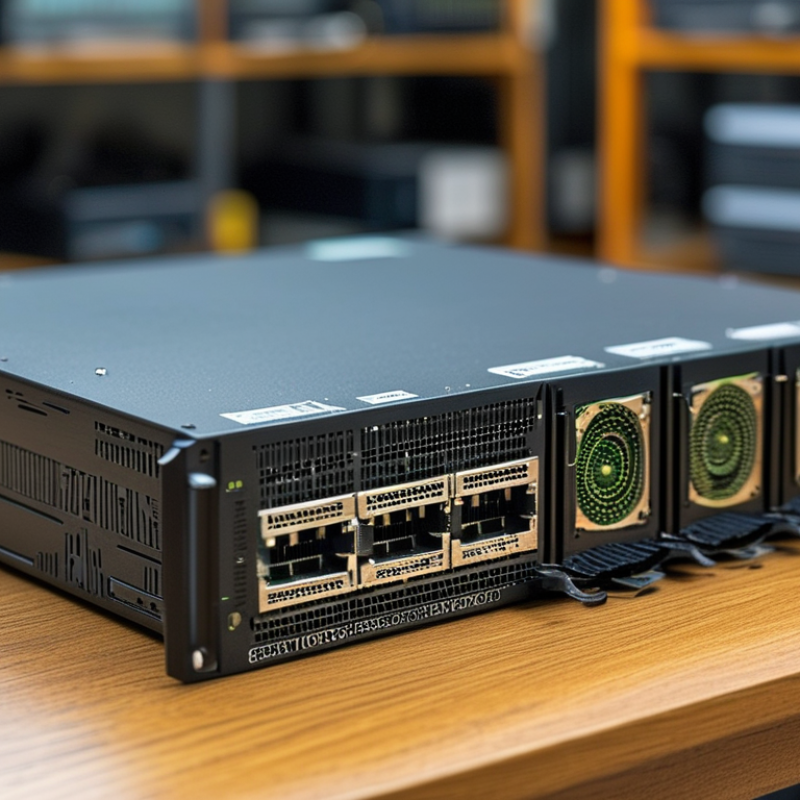
Overview of 100G Optical Transceivers in 2026 Market
The 100G optical transceiver market is poised for significant growth by 2026. According to a market research report, the global 100G optical transceiver market is expected to reach approximately $10 billion. This growth is driven by rising demands for high-speed data transmission. With the advent of 5G and cloud computing, the need for efficient and reliable optical transceivers increases.
Investors and buyers should focus on factors such as compatibility and efficiency. Finding a transceiver that supports multiple standards can save costs. It’s important to analyze the total cost of ownership, including installation and maintenance. Tips for selection: check reliability ratings and look for products with proven track records. This information can help avoid costly errors down the road.
The industry reports indicate a shift towards pluggable transceivers. These units offer flexibility for network upgrades. However, buyers need to evaluate the design quality. Many products claim high efficiency, but not all meet compliance standards. Make sure to read reviews and data sheets carefully. This practice ensures informed decisions. Transparency in specifications can help gauge a product's actual performance.
Key Specifications to Consider When Buying 100G Optical Transceivers
When purchasing 100G optical transceivers, several key specifications require careful consideration. One of the most critical aspects is the transmission distance. Depending on your network setup, the distance could range from a few meters to several kilometers. This greatly influences your choice of transceiver type, whether it's short-range, long-range, or extended-range. Each type has varying performance capabilities, impacting data integrity and transmission speed.
Another important factor is the optical interface. It's essential to ensure compatibility with the existing networking equipment. The optical connector types can vary, affecting installation processes and overall efficiency. Pay attention to the power consumption of the transceiver. This affects operational costs and environmental impact. Lower power consumption often correlates with better design efficiency, an important consideration for long-term sustainability.
Compatibility with different protocols is also vital. Ensure the transceiver supports the required protocols to prevent network issues. Lastly, consider the temperature range. Some transceivers perform better under specific environmental conditions. Selecting a transceiver that can operate within your site’s temperature range will enhance reliability. Every choice impacts your overall network performance.
Top Brands and Manufacturers of 100G Optical Transceivers in 2026
As the demand for higher bandwidth increases, the 100G optical transceiver market is projected to grow significantly. According to a recent market research report, the global market is expected to reach USD 5.24 billion by 2026, driven by rising data traffic in data centers and telecommunications. This growth highlights the need for understanding reliable sources of 100G optical transceivers.
Top brands and manufacturers in this sector are continuously innovating their products. The industry emphasizes small form-factor pluggable (SFP) designs for efficiency and performance. Additionally, a focus on power consumption ensures that devices can handle increased loads without overheating. However, not all products meet these evolving standards; some cheaper alternatives may compromise on reliability. This raises concerns regarding quality assurance and long-term performance.
Choosing the right manufacturer is crucial. A trustworthy brand often provides comprehensive support and warranty options. Yet, variance in quality exists across the market. Buyers must analyze technical specifications thoroughly. Recognizing potential discrepancies can prevent costly investments in subpar technology. A careful examination ensures that scalability and future upgrades are feasible, catering to anticipated technological advancements.
Comparative Analysis of Pricing Trends for 100G Optical Transceivers
The pricing trends for 100G optical transceivers reveal key insights for global buyers. Recent industry reports indicate that the average price of 100G transceivers has steadily declined over the past three years. Analytical data from a leading market research firm shows a 15% decrease in pricing annually. This trend reflects advancements in manufacturing efficiencies and increased competition among suppliers.
In 2026, the projected pricing is expected to stabilize, hovering around $300 to $400 per unit. However, discrepancies exist based on technology types, such as CFP2, CXP, and QSFP28. Buyers must discern these differences, as the resale value can vary significantly. Smaller companies may face challenges in negotiating lower costs due to limited purchasing volume, further complicating their market position.
Market demand plays a crucial role in shaping these trends. As cloud service providers expand their networks, the demand for 100G transceivers is increasing. Yet, there's uncertainty in supply chain logistics, which could impact pricing. Buyers should remain vigilant, as fluctuations are possible. Examining multiple sources for pricing trends can offer a more comprehensive view of the market dynamics.
Future Trends and Innovations in 100G Optical Transceivers Technology
The landscape of 100G optical transceivers is evolving rapidly. Innovations are coming from various sectors, enhancing both performance and efficiency. New designs focus on lowering power consumption without sacrificing speed. This is crucial as data centers require more efficient solutions. The shift towards sustainable technology is notable, with transceivers designed to meet stringent environmental standards.
Another exciting trend is the adoption of advanced modulation formats. These formats improve data transmission rates while reducing error rates. Multi-service support is becoming a norm, allowing a single transceiver to handle different applications effectively. However, the complexity of integrating these technologies can pose challenges. Not all installations can easily adapt to new transceiver models, which raises questions about scalability.
The demand for interoperability is critical as networks expand. Buyers face dilemmas when considering compatibility with existing systems. It's essential to assess long-term support for any chosen technology. Moreover, while innovations promise great benefits, they also require careful evaluation of potential trade-offs. Balancing cutting-edge performance with practical deployment can be daunting, yet is necessary for future success in optical networking.
2026 Trends in 100G Optical Transceivers
FAQS
: The market is growing due to high-speed data transmission demands, 5G, and cloud computing.
Focus on compatibility, efficiency, and the total cost of ownership, including installation and maintenance.
They offer flexibility for network upgrades, making them attractive for evolving technology needs.
Consider transmission distance, optical interface compatibility, power consumption, and temperature range.
Prices have declined by about 15% annually, reflecting improved manufacturing and competition among suppliers.
Prices are expected to stabilize around $300 to $400 per unit, depending on technology types.
Increased demand from cloud service providers can drive prices up, while supply chain issues may create uncertainty.
Lower power consumption usually means higher design efficiency, reducing operational costs and environmental impact.
Ensuring compatibility prevents network issues and maintains smooth operations across systems.
Limited purchasing volumes can make negotiating better prices difficult for smaller companies.
Conclusion
The 2026 market for 100G optical transceivers showcases significant advancements and a growing demand for high-speed data transmission solutions. This buying guide provides an overview of the essential specifications buyers should consider, ensuring compatibility and performance in a rapidly evolving technological landscape. Key attributes such as transmission distance, power consumption, and form factor play a crucial role in evaluating options across various applications.
In addition, a comparative analysis highlights pricing trends, indicating a shift towards more competitive pricing as innovation propels the market. As we approach the future, emerging trends and innovations in 100G optical transceiver technology promise enhanced efficiency and reliability, setting the stage for widespread adoption in data centers and telecommunications. This guide is an invaluable resource for global buyers seeking to make informed decisions in the dynamic world of optical transceivers.
 Dorelink
